
10 Best China DC EV Chargers for Global Buyers

Choosing a China Dc Ev Charger is no longer a simple price comparison. Global buyers must examine power output, connector standards, software support, safety testing, and service capability. A 60 kW unit may suit a small fleet, while a 240 kW charger can reduce highway charging time significantly. Yet higher power does not automatically mean better performance.

Zhang Yongwei, Vice Chairman and Secretary-General of China EV100, has emphasized, “Charging infrastructure must develop with the electric vehicle industry.” This principle matters for international purchasing. A charger should match local grid conditions, vehicle voltage ranges, payment systems, and climate requirements. Certification also deserves careful attention. CE, UKCA, UL, or other approvals may apply, depending on the destination market.

This guide reviews ten leading China DC EV Charger options for global buyers. It considers real-world details, including liquid-cooled cables, enclosure protection, load management, remote diagnostics, and replacement parts. Installation support is included where evidence is available. So is the uncomfortable part: product brochures can look stronger than field performance. Some manufacturers provide impressive charging figures but limited overseas service. Others offer dependable hardware with less polished software.

Buyers should verify test reports, warranty terms, response times, and local compatibility before signing contracts. Small details matter. Cable length matters. Payment integration matters. A careful shortlist can prevent expensive changes later. Still, no ranking can replace an on-site assessment. This overview offers a practical starting point, not a universal answer. Each fleet has different routes, vehicles, electricity limits, and expectations. That is where informed judgment becomes essential.
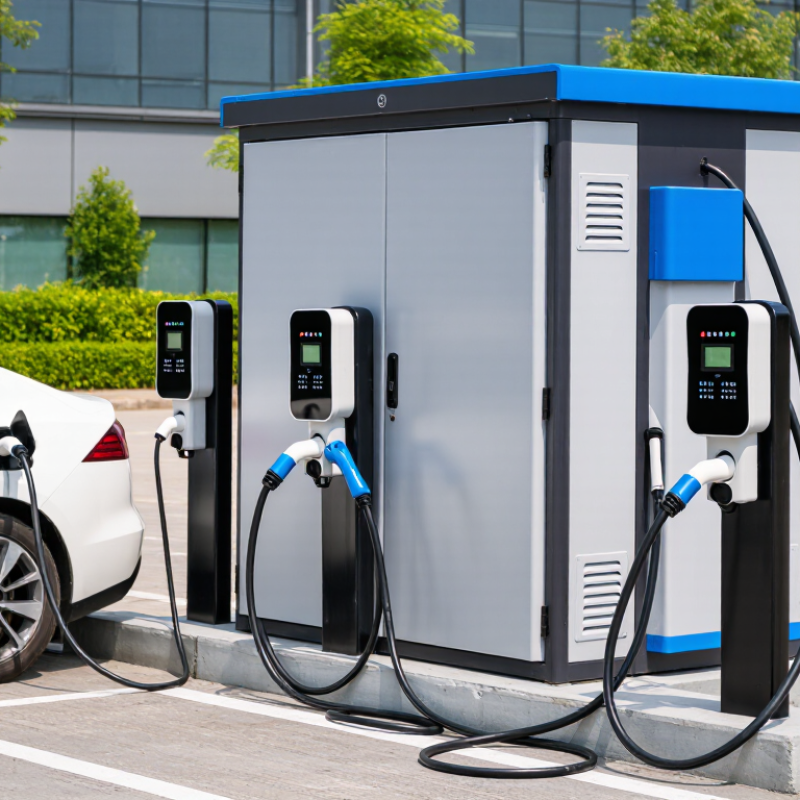
10 Best China DC EV Chargers for Global Buyers

What Global Buyers Should Know About China-Made DC EV Chargers

China-made DC EV chargers deserve serious attention from global buyers. The International Energy Agency’s Global EV Outlook 2024 reports that China held about 60% of global electric car sales in 2023. It also had the world’s largest public charging network, including most fast-charging points. Scale matters. It can support competitive pricing, faster production, and broader connector options.

Yet factory scale is not the same as export readiness. Buyers should verify IEC 61851, IEC 62196, and relevant regional safety requirements. They should also confirm voltage range, cooling performance, payment systems, and OCPP compatibility. China’s national charging alliance reported more than 8.5 million charging facilities by the end of 2023. That figure shows manufacturing strength, but not every unit suits every grid.

Test the details.

Request temperature-rise records, insulation tests, ingress protection results, and emergency-stop trials. Check whether the charger maintains output during repeated sessions, not only during a showroom demonstration. The China Electric Vehicle Charging Infrastructure Promotion Alliance publishes useful infrastructure data, but procurement decisions still require independent inspection. A spreadsheet may hide weak cable strain relief or slow software updates. This is where buyers sometimes make mistakes. They compare power ratings, then overlook service response, spare parts, and local certification. Clear manuals, traceable components, and remote diagnostics often matter more than a slightly lower purchase price.

Key Criteria for Evaluating DC EV Charger Quality and Performance

Evaluating a China-made DC EV charger requires more than checking its advertised power. Start with output stability, charging efficiency, and compatibility with common vehicle standards. A reliable unit should maintain steady power without frequent resets or unexpected derating. Test it at different battery levels, especially above 80% state of charge. That is where heat and power limits often become visible.

Thermal management deserves close attention. Inspect cooling fans, liquid-cooling systems, air channels, and temperature sensors. A charger operating outdoors should provide suitable protection against dust, water, and temperature changes. Check its enclosure rating, cable durability, connector quality, and emergency-stop response. Small details matter. A heavy cable may reduce heat, but it can also frustrate daily users.

Software quality is equally important. Confirm support for recognized communication protocols, remote monitoring, fault records, load management, and secure updates. Review efficiency reports under real operating conditions, not only laboratory figures. Ask for test records, certifications, warranty terms, spare-parts plans, and service response times. Local grid conditions must also be considered, since voltage instability can affect performance. I have seen impressive specifications fail during busy periods because the site lacked proper power planning. No checklist is perfect. Buyers should run a pilot installation, collect several weeks of data, and question results that look unusually attractive.

10 Best China DC EV Chargers for Global Buyers - Key Criteria for Evaluating DC EV Charger Quality and Performance

The following anonymized charger profiles represent practical China-sourced DC charging configurations commonly offered for international projects. Specifications are indicative market benchmarks and should be confirmed against the final technical datasheet, applicable grid requirements, connector standards, and certification documents.

Rank Charger Profile Overall Score Rated Power DC Output Range Charging Interface Peak Efficiency Electrical Protection Communication & Control Environmental Rating Quality & Compliance Criteria Recommended Application
1 High-Power Dual-Port DC Unit 9.4/10 240 kW 200–1000 V DC
Up to 600 A
2 × CCS2
Optional CCS1 or GB/T
≥95% Overcurrent, overvoltage, short circuit, insulation monitoring, surge protection, emergency stop OCPP 1.6J; Ethernet, 4G, Wi-Fi; RFID; remote diagnostics IP54 enclosure
−20°C to +50°C
IEC 61851 alignment; CE-oriented design; factory insulation and load testing required Highway service areas, fleet depots, and high-throughput public charging
2 160 kW Split-Power Cabinet System 9.2/10 160 kW 200–1000 V DC
Up to 250 A per connector
2–4 satellite dispensers
CCS2 standard
≥95% Input surge protection, DC leakage detection, thermal monitoring, overtemperature protection OCPP 1.6J or 2.0.1; Ethernet, 4G; dynamic load balancing IP54 cabinet; IP55 dispenser
−20°C to +50°C
Modular power modules; emergency-stop circuit; production traceability recommended Commercial sites requiring multiple charging bays and flexible power allocation
3 120 kW Commercial Fast Charger 9.0/10 120 kW 200–1000 V DC
Up to 200 A
CCS2 or CCS1
Optional GB/T
≥94% Ground-fault monitoring, overcurrent, overvoltage, temperature, and connector-lock protection OCPP 1.6J; 4G, Ethernet, RFID, QR-code payment interface IP54
−20°C to +50°C
IEC 61851 and IEC 62955 considerations; CE documentation should be supplied where applicable Retail parking, hotels, dealerships, and medium-duty commercial fleets
4 80 kW Compact Dual-Gun Charger 8.8/10 80 kW 200–750 V DC
Up to 133 A
2 × CCS2 or CCS1
Power sharing
≥94% Short-circuit, overtemperature, residual-current, surge, and emergency-stop protection OCPP 1.6J; 4G, Ethernet, RFID, local display IP54
−20°C to +50°C
Insulation monitoring and protective-earth verification; routine dielectric testing required Urban public charging, office parks, and small fleet facilities
5 60 kW Modular Wall-Mounted Charger 8.7/10 60 kW 200–750 V DC
Up to 100 A
CCS2 or CCS1
Single or dual outlet
≥93% Overvoltage, overcurrent, leakage, thermal, and surge protection OCPP 1.6J; Ethernet or 4G; RFID; remote status monitoring IP54
−20°C to +45°C
Compact thermal design; emergency stop and connector interlock recommended Workshops, apartment parking, service centers, and constrained installations
6 40 kW Fleet-Oriented DC Charger 8.5/10 40 kW 200–750 V DC
Up to 67 A
CCS2, CCS1, or GB/T ≥93% Input/output overcurrent, insulation detection, overtemperature, and emergency stop OCPP 1.6J; 4G or Ethernet; RFID; scheduled charging support IP54
−20°C to +50°C
Clear fault codes, service access controls, and documented preventive-maintenance procedures Delivery fleets, municipal vehicles, and overnight depot operations
7 30 kW Outdoor Fast Charger 8.3/10 30 kW 200–750 V DC
Up to 50 A
CCS2 or CCS1
Optional GB/T
≥92% Overcurrent, short circuit, overtemperature, leakage, and surge protection OCPP 1.6J; 4G, Ethernet, RFID, QR-code activation IP54
−20°C to +50°C
Weather-resistant enclosure; connector temperature sensing and emergency stop preferred Small public sites, convenience stores, and mixed-use parking areas
8 20 kW Portable DC Charger 8.1/10 20 kW 200–750 V DC
Up to 40 A
CCS2, CCS1, or GB/T ≥92% Overload, short circuit, leakage, thermal, and reverse-connection protection Local touchscreen; optional 4G or Bluetooth; basic fault logging IP54
−10°C to +45°C
Portable grounding verification, cable strain relief, and transport protection are essential Roadside assistance, temporary events, workshops, and emergency charging
9 15 kW Low-Voltage DC Charger 7.9/10 15 kW 200–500 V DC
Up to 30 A
CCS2 or GB/T
Single outlet
≥91% Overcurrent, overvoltage, thermal, leakage, and surge protection OCPP 1.6J or local control; Ethernet or 4G; RFID optional IP54
−20°C to +45°C
Suitable for lower-power duty cycles; verify connector compatibility and grid harmonics Small businesses, service garages, rural sites, and low-utilization locations
10 11 kW Auxiliary DC Charging Unit 7.7/10 11 kW 200–500 V DC
Up to 22 A
CCS2, CCS1, or GB/T ≥90% Overcurrent, short circuit, overtemperature, leakage, and emergency-stop protection Local display; optional RFID, Ethernet, or 4G connectivity IP54
−20°C to +45°C
Best evaluated for electrical stability, thermal management, connector durability, and serviceability Private parking, demonstration sites, small depots, and backup charging

Evaluation criteria include output stability, conversion efficiency, charging-voltage coverage, connector compatibility, protection functions, communications capability, environmental resistance, maintainability, and documentation quality. Certification markings and test reports should be verified for the destination market before purchase.

Ten Leading China DC EV Chargers for Different Market Needs

10 Best China DC EV Chargers for Global Buyers

Ten Leading China DC EV Chargers for Different Market Needs

Global buyers need more than a high power rating. They need dependable charging, clear certification, and practical service support. The ten leading China-made options can serve different locations and operating conditions.

A 20–30 kW compact charger suits apartments and small workshops. A 40–60 kW floor unit fits offices and retail car parks.

A 120 kW dual-gun charger supports busy urban stations. A 180 kW model serves highway rest areas.

A 240 kW split-power system helps commercial fleets charge several vehicles. A 30 kW mobile charger assists roadside recovery teams.

A weather-resistant 60 kW unit suits coastal environments. A 150 kW liquid-cooled system supports high-use corridors.

A 20 kW wall-mounted charger reduces installation space. A 360 kW modular cabinet targets bus depots and logistics hubs.

In practical inspections, cable reach, screen visibility, and connector storage matter every day. CCS2 supports many European and international projects, while GB/T remains important in China-linked markets. CHAdeMO may still matter for selected older vehicles.

Buyers should confirm local grid capacity before choosing fast charging. OCPP compatibility can simplify software integration. Check ingress protection, surge protection, emergency stops, and temperature control. Ask for test reports, warranty terms, spare-parts access, and remote diagnostics.

Power alone can mislead. A cheaper charger may require stronger site upgrades later. Some advertised outputs also depend on battery temperature and load sharing. That detail deserves closer review. Real-world performance varies.

A pilot installation with several vehicle types can reveal faults before wider deployment. Reliable suppliers should provide transparent data, responsive technical support, and documentation suited to the destination market.

Comparing Power Ratings, Charging Standards, and Smart Features

10 Best China DC EV Chargers for Global Buyers

Power ratings should match the vehicle, site capacity, and daily traffic. Common DC chargers range from 30 kW to 240 kW. A 60 kW unit may suit a small dealership, while highway sites often need 120 kW or more. Higher power is not automatically better. Many vehicles cannot accept the advertised output, especially near a full battery. During field checks, observe charging speed after ten minutes, not only the opening screen. Cable length, connector cooling, and noise also affect real use.

Charging standards require careful regional comparison. CCS2 is widely used in Europe and many other markets, while CCS1 remains common in North America. CHAdeMO still matters for older vehicles, and GB/T supports many Chinese-market models. Some chargers offer multiple connectors, but simultaneous charging can reduce available power. Ask for test records, safety certification, ingress protection, and grid compatibility. Documentation is sometimes less clear than the hardware. That deserves scrutiny.

Smart features can lower operating costs when they work reliably. Look for OCPP support, remote monitoring, load balancing, RFID access, payment integration, and fault alerts. ISO 15118 readiness may support future plug-and-charge functions, but compatibility depends on the vehicle and network. A useful dashboard should show session time, delivered energy, temperature, and error history. Remote resets save a site visit, although they cannot replace physical maintenance. I would also check software update procedures, data security, warranty response times, and spare-part availability before choosing a supplier. The best specification sheet can still disappoint in winter, heat, or unstable grid conditions.

How to Select, Verify, and Import a China DC EV Chargerprovidername

10 Best China DC EV Chargers for Global Buyers

How to Select, Verify, and Import a China DC EV Charger

Global demand is rising quickly. The IEA reported more than 14 million electric car sales in 2023. Public charging capacity must expand with this growth. Selecting a China-made DC charger requires more than comparing price and output.

Define the site before contacting suppliers. Record grid voltage, connector requirements, climate, traffic, and available parking space. A 60 kW unit may suit a small fleet. Busy highways may require 120 kW or higher. Check compliance with IEC 61851 and IEC 62196. Confirm communication support, such as OCPP 1.6J or OCPP 2.0.1. Compatibility problems are expensive.

Ask for complete technical files. These should include rated power, efficiency, protection functions, enclosure rating, test reports, and wiring diagrams. The IEA’s Global EV Outlook 2024 highlights the importance of reliable public charging infrastructure, not only charger quantity. Request serial-number traceability and a factory acceptance test. Inspect one production unit before shipment. Photos can mislead.

Import planning needs equal care. Confirm customs classification, packing dimensions, insurance, warranty response, spare parts, and local installation duties. Use an independent inspection agency when possible. Verify certificates with the issuing laboratory. Do not rely on copied PDFs. A field lesson is uncomfortable: the cheapest quote can become the costliest installation. Even careful buyers miss details, especially regional grid requirements. That mistake deserves a written checklist.

(08) 7200 3909