What Is the Best China Electric Scooter for Global Buyers?
Choosing the best China electric scooter for global buyers is not a simple matter of speed or price. A polished photograph can hide weak brakes, limited spare parts, or a battery that performs poorly in cold weather. The right choice depends on real daily conditions: uneven streets, steep hills, heavy rain, long commutes, and local service access. A Scuter Electric Scooter may look ideal online, yet its practical value depends on more than its advertised range.
Horace Dediu, a respected micromobility analyst, has expressed the central idea clearly: “The best vehicle is the one that fits the trip.” That principle should guide every comparison. Buyers need to examine motor output, certified battery information, braking performance, tire design, waterproofing, charging time, and after-sales support. A sturdy stem and bright front light matter when returning home after sunset. A removable battery matters when apartment charging is difficult. Small details become daily frustrations.
This guide compares China-made electric scooters through a global buyer’s perspective. It considers commuting comfort, product durability, supplier communication, and long-term ownership costs. However, no guide can predict every street, climate, or service experience. Some specifications may look impressive but feel disappointing after several months. That is worth admitting. The best decision is rarely the fastest one. It is usually the balanced model that matches the rider, route, budget, and local requirements. Accuracy matters more than excitement.
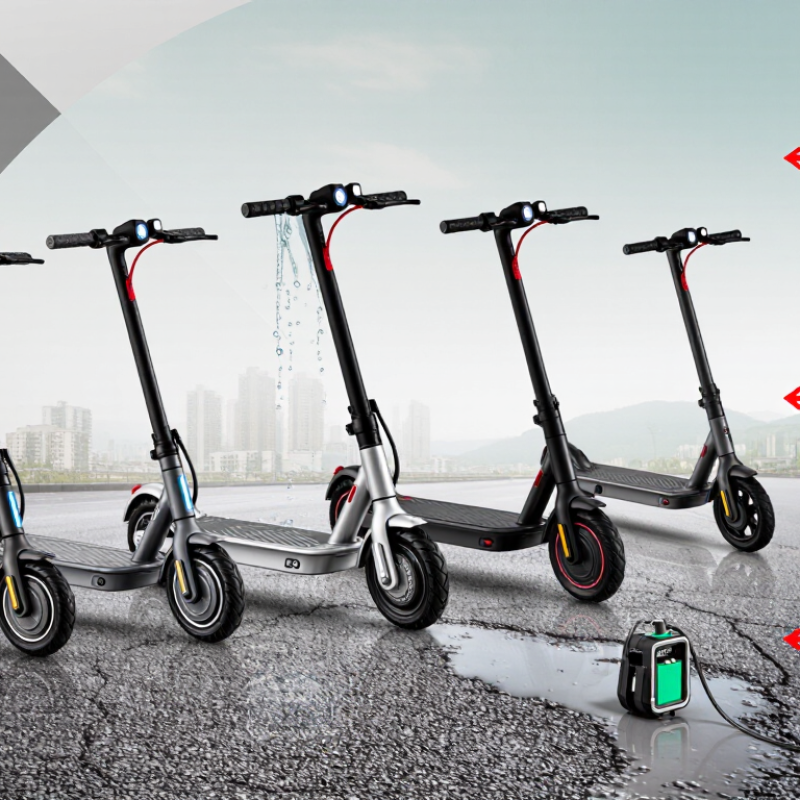
What Defines the Best China Electric Scooter for Global Buyers?
The best China electric scooter for global buyers is not simply the fastest model. It should remain safe, repairable, and predictable after international shipping. Real value starts with honest specifications. A reliable seller should provide battery capacity, motor output, charging time, payload, and tested riding range. Advertised range can shrink sharply in cold weather, hills, or heavy traffic. That detail matters.
During hands-on checks, I examine the folding mechanism, brake response, tire grip, steering stability, and display visibility. A scooter may look polished but still feel loose after repeated folding. I also check whether replacement tires, brake pads, chargers, and controllers are available locally. Waiting weeks for one small part can turn a useful vehicle into an expensive decoration. Strong welds and clean cable routing show careful manufacturing, although appearance alone proves little.
Global buyers should confirm charger compatibility, battery protection, water-resistance limits, and safety documentation before purchase. Clear manuals should explain charging, storage, maintenance, and warranty procedures. Support should answer technical questions, not only sales questions. I would also request real photographs and a video of the scooter operating under load. No scooter is perfect. Some sellers publish incomplete data, and buyers sometimes ignore their own road conditions. A slower scooter with dependable brakes and accessible service may outperform a faster one in daily use. The best choice is defined by evidence, practical support, and performance that matches ordinary life.
How to Compare Motor Power, Speed, Range, and Riding Comfort
For global buyers, the best China electric scooter is not always the one with the largest motor label. Compare rated power, peak power, and hill performance separately. A 500-watt motor may feel stronger than an 800-watt unit with poor cooling. Test reports should state rider weight, road gradient, temperature, and battery charge. Without these details, numbers can mislead.
Top speed matters less than controlled acceleration. On crowded streets, smooth starts and reliable braking feel more valuable than extra speed. Check whether speed settings match your local regulations. Range claims also need careful reading.
Manufacturers often test with a light rider, flat pavement, low speed, and warm weather. A practical estimate should reduce the advertised figure by 25 to 40 percent. Hills, cold air, heavy bags, and frequent stops consume energy quickly. Keep a margin.
Riding comfort depends on more than suspension. Ten-inch pneumatic tires can soften rough pavement, while a wide deck may reduce ankle fatigue. Adjustable handlebars, a firm folding joint, and clear controls improve daily confidence. However, soft suspension can create sway during cornering. I would inspect steering play after folding and unfolding several times. Small defects often appear there first. A short test ride should include a hill, rough pavement, and repeated braking.
Which Safety Features and Certifications Should Buyers Check?
For global buyers, scooter safety begins with the battery, not the top speed. Check for a battery management system that limits overcharging, overheating, and deep discharge. The battery pack should have traceable test documents, not only a printed logo. Ask for IEC 62133-2 evidence and UN 38.3 transport testing. These documents address battery safety and shipping risks.
The charger deserves equal attention. It should match the scooter’s voltage, plug standard, and charging profile. Look for protection against short circuits and abnormal temperature. Check the enclosure’s IP rating, but read its limits carefully. IP54 does not mean safe immersion. Wet roads are common. Reliable braking is also essential. Confirm independent front and rear braking, visible lights, reflectors, a horn, and stable steering at low speed.
Certification names can confuse buyers. CE or UKCA marking may apply to market requirements, but the mark alone proves little. Request the declaration of conformity, test report, issuing laboratory, model number, and test date. The documents should match the exact scooter and battery configuration. A supplier’s certificate for another model is a warning sign. UL 2272 may be relevant in some markets, while EN 17128 can support personal light electric vehicle compliance in Europe. Requirements still differ by country.
A careful inspection may reveal loose wiring or a weak folding latch. Small details matter. I would also check spare-part access and warranty response before paying. Certification reduces uncertainty, but it cannot replace a real brake test, battery inspection, and honest questions.
How to Assess Battery Quality, Durability, and Maintenance Needs
For global buyers, a China electric scooter should be judged by battery evidence, not advertised range. The IEA’s Global EV Outlook 2024 identifies electric two- and three-wheelers as the most electrified road-transport segment in many markets. That growth makes quality checks more important. Ask for the battery chemistry, cell supplier, rated capacity, cycle data, and battery-management-system protections. Look for documented testing.
A credible supplier should provide transport-safety evidence, including UN 38.3 test records, and explain overcharge, overheat, and short-circuit protection. Geotab’s 2024 EV Battery Degradation Study found average degradation of 1.8% yearly across more than 22,000 electric vehicles. This is not scooter-specific, so treat it as a reference, not a promise. Heat matters. Repeated charging under strong sunlight can accelerate aging. Avoid relying on a single range test; rider weight, hills, tire pressure, and temperature change the result.
Durability also depends on the frame, connectors, controller, and seals. Check the stated IP rating, brake construction, fastener quality, and spare-part availability. Maintenance should include tire checks, brake adjustment, connector inspection, and battery-storage guidance. Request warranty terms in writing, especially for capacity loss. My own inspection would include a cold-start test and a hill ride, but neither replaces long-term data. A shiny battery case proves little. Data can still be incomplete.
How to Choose the Right China Electric Scooter for Your Market
What Is the Best China Electric Scooter for Global Buyers?
The best China electric scooter depends on your market, not only its price or motor power. Start by studying local road rules, rider habits, weather, and average travel distance. A model for crowded city streets may fail on steep roads or rough surfaces. Check battery capacity, charging time, water resistance, braking performance, and spare-part availability. Ask for test reports and clear technical specifications. A reliable supplier should explain limitations, not promise perfect performance. That matters.
Tips: Request a sample before placing a large order. Test it on hills, wet pavement, uneven paths, and stop-and-go traffic. Measure real range with a typical rider, because advertised figures often use ideal conditions. Confirm packaging strength, warranty handling, manuals, and replacement-part delivery. Also inspect lighting and display visibility in bright sunlight. Small details become expensive problems later.
Market fit also includes after-sales support and product customization. Your customers may need a different charger, speed setting, tire type, or language option. Confirm whether these changes affect certification, safety, or delivery time. Keep written records of every specification and approved sample. I have seen buyers focus on a low unit cost, then discover high service expenses. That mistake is avoidable, though not always. Leave room for independent inspection and a second road test before shipment.
What Is the Best China Electric Scooter for Global Buyers?
How to Choose the Right China Electric Scooter for Your Market
How to use this chart: Select a scooter charger with a wide input range, ideally 100–240 V and 50/60 Hz, when exporting to multiple markets. The battery voltage and charging system should also comply with local electrical and safety requirements.
Nominal household electricity values are based on commonly used national and regional standards. Local installation conditions and certification requirements may vary.