
7 Best Joovv Red Light Therapy Devices to Buy

Choosing among the 7 Best Joovv Red Light Therapy Devices to Buy starts with a simple question: where will you use one? A compact device may suit a desk-side routine, while a larger panel can cover more of your body at once. Space matters. So does setup. Measure the wall or floor area before comparing models, and consider how often you can realistically use the device.

This guide looks at practical buying factors, including treatment area, placement, controls, and the manufacturer’s published specifications. Check the current product details before purchasing, since models and availability can change. Joovv Red Light devices are intended for light-based wellness use, but evidence and results vary by purpose and person. Red light therapy is not a substitute for medical care, and marketing claims deserve a careful read. If you have a health condition or take medication that increases light sensitivity, ask a qualified healthcare professional before use.

There is no perfect device for everyone. A larger panel may sound appealing, yet it can cost more and take up valuable room. A smaller unit may be easier to store, but its coverage could feel limited. And the trade-off is not always obvious. Compare your budget with the space you have, the routine you can maintain, and the features you will actually use. This list is a starting point, not a promise of results; even a careful choice may involve some trial and reflection.
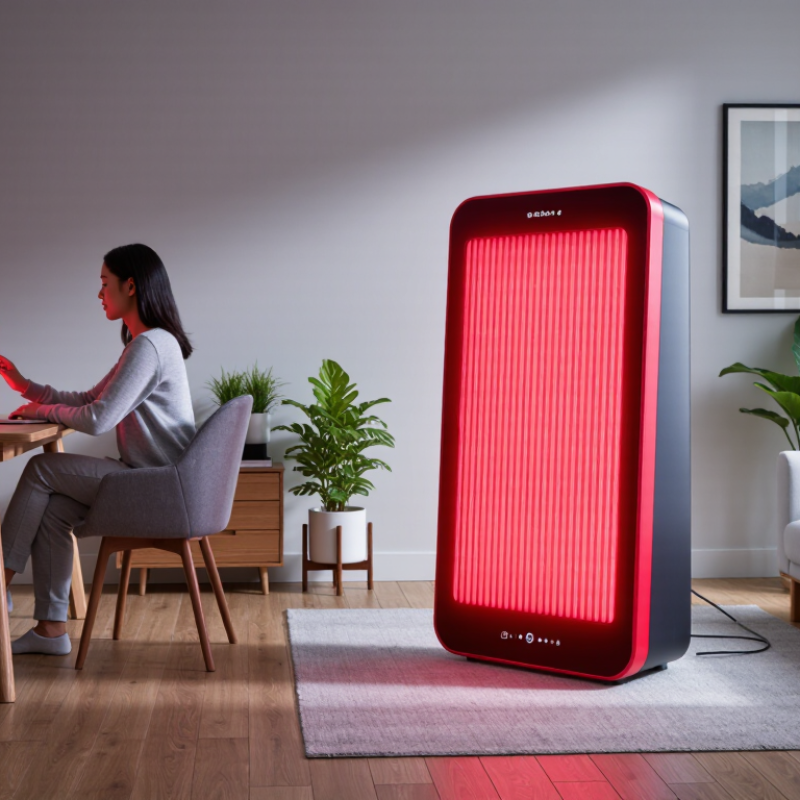
7 Best Joovv Red Light Therapy Devices to Buy

What Joovv Red Light Therapy Devices Are and How They Work

Red light therapy devices use light-emitting diodes to deliver red and near-infrared wavelengths to the skin. Common ranges are roughly 630–660 nanometers for red light and 810–850 nanometers for near-infrared. This approach is called photobiomodulation. Unlike ultraviolet light, these wavelengths are not intended to tan the skin.

Researchers propose that light absorption may affect cellular signaling and energy processes, but the exact mechanisms remain under study. Effects depend on wavelength, light intensity, distance, and exposure time.

The evidence is promising, but it is not a guarantee. A 2014 controlled study in Photomedicine and Laser Surgery included 136 volunteers and reported improvements in skin appearance and measured collagen density after red and near-infrared treatments.

That result does not prove every home device will perform similarly; the study tested specific equipment and protocols. Not a magic lamp.

For home use, keep the panel at the recommended distance, follow its exposure guidance, and protect your eyes when instructed. More light is not automatically better.

Evidence remains uneven, and persistent skin or health concerns deserve advice from a qualified clinician.

Key Features to Compare Before Choosing a Joovv Device

When comparing red light therapy devices, start with the treatment area. A compact panel may suit a desk or small room, while a larger unit can cover more skin at once. Measure your space. Check the device’s listed wavelengths and irradiance, but read how and where those figures were measured. Numbers from different sellers may not be directly comparable. Look for clear guidance on distance and session length.

Controls matter in daily use. Timers, adjustable output, and a stable stand can make sessions easier to repeat. A portable device may be useful for travel, though smaller coverage can mean more repositioning. Review the return policy, warranty, and safety instructions before buying. Red light devices are not interchangeable, and results are not guaranteed. If you have a health condition or take medication that increases light sensitivity, ask a qualified clinician before use.

Tips: Compare the total cost, including stands or other accessories. Read the manual before your first session, and follow its eye-safety guidance. Keep a simple log of distance and session time. It is easy to assume that more exposure is better; that may be a mistake. Start with the manufacturer’s instructions, then reassess comfort and consistency.

Red Light Therapy Devices: Wavelengths to Compare

These are example red and near-infrared wavelengths reported in photobiomodulation research, not a ranking of devices. When comparing a device, also check its measured irradiance at the intended treatment distance, treatment-area coverage, operating instructions, and safety guidance. Wavelength alone does not determine performance.

Seven Joovv Red Light Therapy Devices to Consider

A compact tabletop panel suits focused sessions for the face, hands, or a small treatment area. Check its dimensions and stand stability before buying; a narrow beam can make positioning fussy. A small portable panel is easier to store and move between rooms. It may, however, require more repositioning to cover a larger area. A mid-sized panel offers a useful balance for regular home use. Measure your available wall or floor space first.

For broader coverage, consider a half-body panel that can be mounted or placed on a stable stand. A full-body panel reduces the need to change positions, but it takes more room and usually costs more. A modular panel system adds flexibility: separate units can be arranged for different areas or expanded later. More parts mean more setup, and the connections should feel secure.

A handheld device is convenient for targeted use and travel, though treating larger areas can take patience. A multi-panel setup can cover a wide area at once, but needs careful placement and a suitable power source. Compare the stated wavelengths, treatment distance, warranty, and independent testing details. Specs matter. Follow the maker’s instructions, protect your eyes as directed, and pause if the light causes discomfort. Red-light devices are not a substitute for medical care, and evidence varies by intended use.

How to Match a Joovv Device to Your Space and Therapy Goals

Choosing a red-light therapy device starts with your room, not the biggest panel. Measure the space where you will actually use it. A tabletop unit may suit a desk or small treatment area, while a larger panel needs clear floor space and a stable mount. Leave room to stand or sit at the distance specified in the instructions. Small details matter.

Match coverage to your goal. For a focused area, such as a knee or shoulder, a compact device may be easier to position consistently. For broader body coverage, compare panel dimensions and whether you can comfortably treat one side at a time. Check the stated wavelengths, irradiance measurement distance, timer, and warranty. These details help you compare devices more fairly than marketing claims alone. I would be cautious about assuming a higher output automatically means better results.

Think about routine, too. If setup takes several minutes, you may use the device less often than planned. A quiet corner, nearby outlet, and simple storage spot can make regular sessions easier. Follow the manufacturer’s distance and exposure guidance, and use eye protection when directed. Red-light therapy is not a substitute for medical care; ask a qualified clinician if you have a health condition or take medication that increases light sensitivity. Some advice can feel overly cautious, but skipping it is not a useful shortcut.

Safety, Setup, and Care for Joovv Red Light Therapy Devices

Red and near-infrared panels can feel simple to use, but exposure still depends on distance, session length, and wavelength. ICNIRP’s 2013 guidelines assess incoherent visible and infrared radiation across 380–3,000 nm. That range shows why a wavelength claim alone cannot establish safe use. Check the device’s photobiological safety documentation, follow its stated distance and timing, and do not stare into the LEDs. Ask a clinician before use if you have an eye condition, take photosensitizing medication, or are managing a health concern.

Set the panel on a stable surface with clear space around its vents. Start with the shortest session recommended in its manual; more time is not automatically better. Keep skin clean and dry, and use protective eyewear when the instructions call for it. One easy detail to miss: a timer does not compensate for standing too close. If warmth, irritation, or headache occurs, stop and reassess rather than pushing through.

Tips: Unplug the unit and let it cool before cleaning. Wipe the surface with a soft, dry microfiber cloth; avoid spraying liquid into vents or onto LEDs. Check cables and the housing regularly for cracks or fraying. Keep a brief log of distance, session time, and skin response. It may feel fussy, but it makes patterns easier to notice.

7 Best Red Light Therapy Devices to Buy — Safety, Setup, and Care

Device type Best suited for Common light options Setup guidance Safety considerations Care and maintenance
Compact handheld device Targeted areas and occasional use at home Red light is commonly offered near 630–660 nm; some devices also include near-infrared light. Place or hold it at the distance specified in the device instructions. Treat only the intended area. Avoid staring into the LEDs. Use eye protection when directed by the manufacturer, especially when treating near the face. Switch off and unplug before cleaning. Wipe the surface with a soft, dry or lightly damp cloth; do not immerse.
Flexible light wrap Convenient application to a limited body area Often uses red light, near-infrared light, or a combination; wavelength and output vary by model. Secure it comfortably without tight compression. Follow the recommended session duration and placement instructions. Do not use over irritated or damaged skin unless a qualified clinician advises you to. Stop if you experience unusual discomfort. Disconnect the controller before cleaning. Keep fabric, cables, and connectors dry unless the manual states otherwise.
Small tabletop panel Focused treatment at a desk or bedside Many panels combine red wavelengths around 630–660 nm with near-infrared wavelengths around 810–850 nm. Set it on a stable surface and use the distance and exposure time specified for that particular panel. Keep the panel away from water and flammable materials. Do not assume that brighter-looking light means a more effective dose. Let the unit cool as instructed. Dust vents and the light surface gently; avoid abrasive cleaners.
Medium wall-mounted or stand-mounted panel Regular treatment of a larger area while standing or seated Red and near-infrared combinations are common, but exact wavelengths and irradiance are product-specific. Use the supplied mounting hardware or a stable stand. Check that the panel cannot tip or fall before use. Protect your eyes as instructed and keep other people and pets from looking directly at the light source. Inspect mounting points and power cables periodically. Unplug the unit before moving or cleaning it.
Large full-body panel Covering a broad area from a fixed position Typically offers multiple red and near-infrared LED bands; specifications differ among devices. Allow clear space around the unit for ventilation. Follow the manual for body position, distance, and session length. Start with the manufacturer’s recommended exposure rather than increasing time on your own. Seek medical advice if you have a photosensitive condition or take photosensitizing medication. Check the frame, fasteners, and cables for wear. Keep air inlets and outlets unobstructed.
Portable rechargeable unit Travel or use where access to a power outlet is limited Usually designed for a small treatment area; wavelength, battery capacity, and output depend on the model. Charge with the supplied or manufacturer-approved charger. Use only on a stable, dry surface. Do not use a device with a swollen, damaged, or overheating battery. Follow the manual’s charging and storage instructions. Store away from excessive heat and moisture. Clean the light window gently and inspect the charging port for debris.
Multi-position panel with adjustable stand Users who want to change the treatment angle or position May provide red light, near-infrared light, or both; confirm the listed wavelengths and output for the specific model. Lock the stand securely before positioning the panel. Adjust it while switched off to reduce the risk of tipping. Keep the stand on a level floor and do not exceed its stated load limits. Follow the device’s eye-safety directions. Check hinges and adjustment locks regularly. Clean with the unit switched off and unplugged.

Note: Wavelength ranges listed here describe commonly used red and near-infrared light bands, not the specifications of every device. Output, recommended distance, and session duration vary by model; follow the device manual and consult a healthcare professional if you have a relevant medical condition or concern.

(08) 7200 3909