
The Best Robot Lithium Battery Options for Optimal Performance?
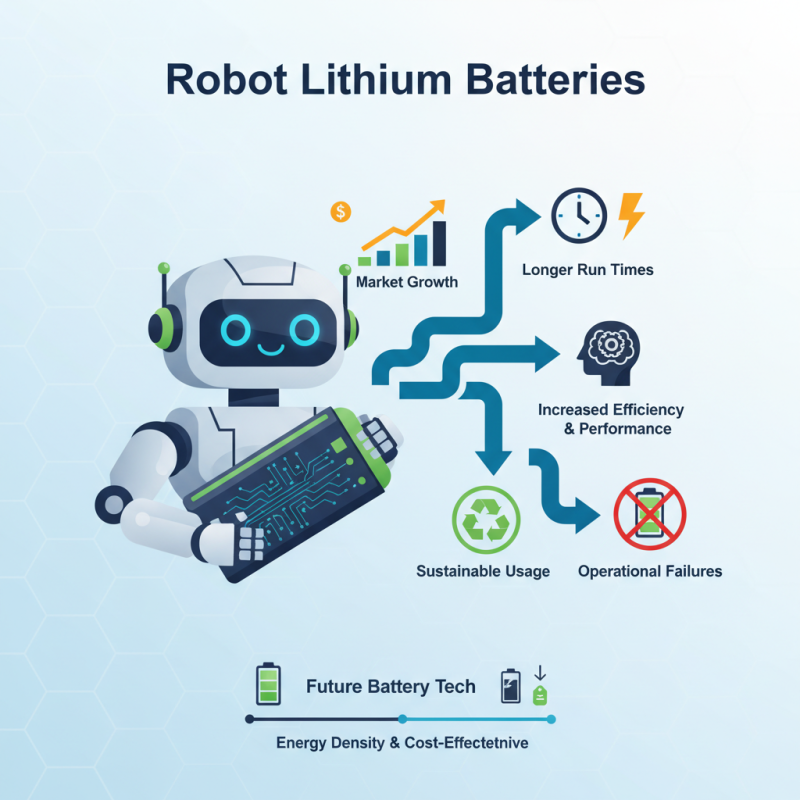
In recent years, the demand for high-performance robot lithium batteries has surged. According to a report by MarketsandMarkets, the global lithium-ion battery market is expected to reach $129 billion by 2027. This trend highlights the essential role these batteries play in robotics, increasing efficiency and performance in various applications.
The right robot lithium battery can significantly impact a robot's operational capabilities. For instance, advanced batteries can support longer run times and faster charging cycles. However, not all batteries provide the same level of performance. Consumers must carefully assess options to ensure they meet specific requirements. A poorly chosen battery could lead to operational failures or reduced efficiency.
Data from BloombergNEF suggests that battery technology will continue evolving. This includes improvements in energy density and cost effectiveness. Yet, it is crucial to reflect on the environmental implications of battery production and disposal. Despite their advantages, the production of lithium batteries presents challenges that must be addressed for sustainable usage.
Understanding Lithium Batteries for Robots
Lithium batteries are crucial for robot performance. They provide high energy density and long cycle life. When considering battery options, it’s essential to focus on capacity and discharge rates. The right battery helps in maximizing efficiency and operational time. Low-quality batteries can lead to overheating or reduced lifespan. These issues can significantly affect a robot's functionality.
Understanding lithium batteries involves knowing their components. Cells, electrolytes, and connectors all play a role. A single malfunction can impact the entire system. Monitoring temperature and voltage is vital. These factors ensure safety and help prevent failures. Robots may require different configurations. A custom approach is often needed for optimal results.
Charging practices also deserve attention. Quick charges might not always be beneficial. Sometimes slower charging improves battery lifespan. Users often overlook this, aiming for speed instead. Such choices can lead to excessive wear on the battery. Regular maintenance and testing can reveal potential issues early. Investing time in understanding battery technology pays off over time.
Key Features to Consider in Robot Lithium Batteries
When selecting lithium batteries for robots, several key features come into play. The capacity of the battery is crucial. It determines how long your robot can operate before needing a recharge. High-capacity batteries can power robots for extended periods, crucial for tasks in remote areas. However, battery size should also be considered. Larger batteries may offer more power but could weigh down the robot, affecting its mobility.
Another important aspect is the discharge rate. This rate determines how quickly a battery can release its energy. For robots performing demanding tasks, a high discharge rate is essential to ensure they operate smoothly. Additionally, battery lifespan matters. Some batteries may degrade faster than expected, leading to frequent replacements. This not only increases costs but also affects the robot’s performance over time.
Charging time is another feature worth considering. Some lithium batteries can charge quickly, while others take longer. Fast-charging batteries can be a game-changer, allowing for increased efficiency. However, you also need to think about the overall safety of the battery. Using batteries with good thermal management can prevent overheating issues. Ultimately, balancing these features against your robot's specific needs is crucial for optimal performance.
Top Lithium Battery Brands for Optimal Robot Performance
When it comes to robot performance, lithium batteries are crucial. They offer high energy density and longer life spans. Selecting the right battery can dramatically enhance your robot’s functionality. Market options vary widely, making informed choices essential.
One key aspect is capacity. A higher capacity battery tends to last longer between charges. However, bigger isn't always better; larger batteries can add weight, affecting maneuverability. Lightweight models help with agility but may compromise on run time. Finding the right balance is critical.
Another important consideration is voltage. A battery that supplies stable voltage can improve efficiency. Robots may struggle with voltage drops, leading to reduced performance. It’s essential to match battery specifications carefully with your robot’s requirements. Neglecting these details can lead to serious operational issues.
The Best Robot Lithium Battery Options for Optimal Performance
Comparative Analysis of Lithium Battery Types for Robotics
When selecting lithium batteries for robotics, understanding the different types available is crucial. Each battery type has strengths and weaknesses. Some options include Lithium-Ion, Lithium-Polymer, and Lithium Iron Phosphate.
Lithium-Ion batteries are popular for their energy density. They discharge slowly, providing a long runtime. However, they can be sensitive to extreme temperatures. This could affect performance outdoors.
Lithium-Polymer batteries are lightweight and can be molded into various shapes. This flexibility is ideal for complex robot designs. Yet, they may not offer the same longevity as lithium-ion options. Users must consider operating conditions carefully.
Tips: Always check the thermal limits of your battery. Regularly monitor battery health to prevent failures. Ensure your robot's design accommodates the battery's shape properly. Unexpected battery issues can lead to malfunctions during critical tasks.
Lithium Iron Phosphate batteries are safer but heavier. They have a longer cycle life, which can benefit long-term projects. However, their lower energy density means they may need more space. Plan your robot’s layout accordingly.
In choosing the best option, reflect on your project needs. Balance weight, energy capacity, and safety to ensure optimal robot performance. Testing different types may reveal unexpected insights.
Maintenance Tips for Extending the Life of Robot Lithium Batteries
Lithium batteries power many robots today. Proper maintenance is crucial for optimal performance. Studies show that regular care can extend battery life by up to 40%. One key aspect is temperature management. Lithium batteries thrive at moderate temperatures. Excessive heat can shorten their lifespan. Aim to keep batteries between 20°C to 25°C during operation.
Routine checks are essential. Inspect battery terminals for corrosion. Dirt or grime can hinder connections. Clean them with a dry cloth regularly. This small step can prevent power loss. In addition, monitor charge cycles. Avoid deep discharges. Charging the battery when it reaches around 20% can prevent damage. Industry reports indicate that batteries last longer with shallower discharge.
Storage conditions matter too. If a battery must be stored, do so at 40% charge. High charge can lead to capacity loss. Ensure the storage area is cool and dry. Over time, these small practices add up. Yet, neglecting them might lead to unexpected failures. Be proactive. Your robot’s performance relies on battery care.
The Best Robot Lithium Battery Options for Optimal Performance
| Battery Type | Capacity (Ah) | Voltage (V) | Cycle Life (Cycles) | Weight (kg) |
|---|---|---|---|---|
| Lithium Iron Phosphate (LiFePO4) | 30 | 12.8 | 2000 | 7.5 |
| Lithium Nickel Cobalt Manganese Oxide (NCM) | 35 | 11.1 | 1000 | 6.0 |
| Lithium Manganese Oxide (LMO) | 25 | 14.8 | 1500 | 5.0 |
Maintenance Tips for Extending the Life of Robot Lithium Batteries:
- Avoid overcharging and deep discharging the battery.
- Store batteries in a cool, dry place.
- Regularly check for corrosion or damage.
- Use a quality charger compatible with your battery type.
- Periodically calibrate the battery to improve accuracy.
