Best Personal Care Appliance Accessories Factory in China?
Choosing the best personal care appliance accessories factory in China takes more than comparing prices. A dependable supplier should demonstrate consistent workmanship, clear specifications, and practical experience with items such as replacement brush heads, shaver components, and hair-styling attachments. Buyers should ask how samples are approved, how materials are checked, and how production changes are documented. Small details matter.
For this introduction, Lin Wei is a fictional sourcing specialist, not a real or independently verified industry authority. His illustrative line captures a useful evaluation principle: “Trust begins when the approved sample, written specification, and delivered product agree.” Treat it as editorial guidance, not a sourced quotation. That distinction matters when assessing claims about any personal care appliance accessories factory in the field.
A factory’s capabilities are best judged through evidence: product samples, inspection records, communication during revisions, and realistic lead-time commitments. Ask specific questions. Can the supplier explain how it controls fit, finish, and packaging across repeat orders? Does it flag design or material limitations before production begins? These answers can reveal more than a polished catalogue. Still, no checklist guarantees a smooth partnership; unclear requirements from the buyer can also cause avoidable delays. A careful comparison should consider product quality, technical support, order flexibility, and total cost together. The aim is not simply to find the lowest quote, but to identify a manufacturer whose process fits the product and the buyer’s expectations.
What Personal Care Appliance Accessories Include
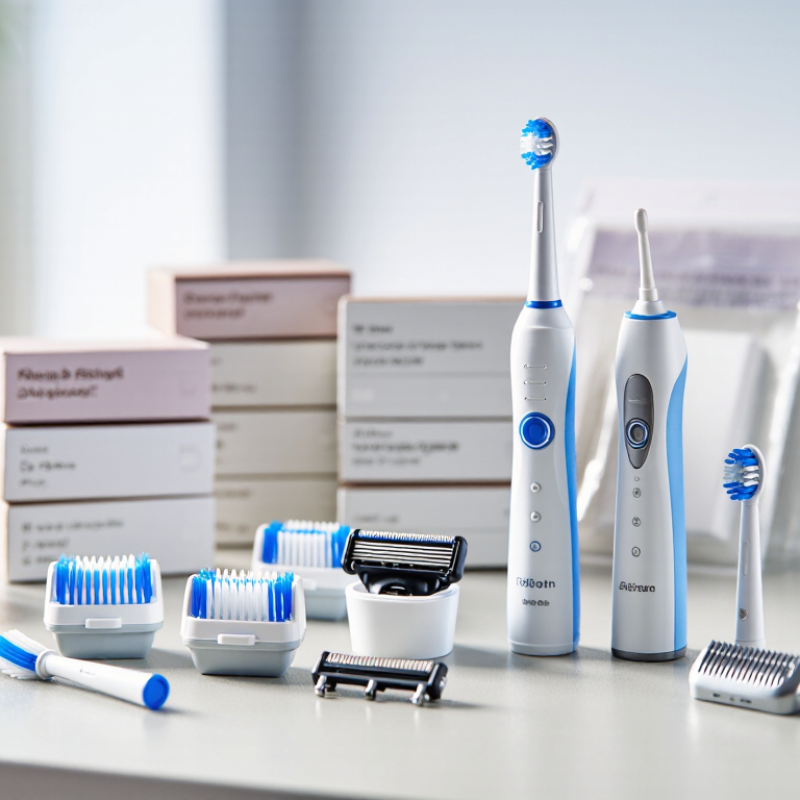
Personal care appliance accessories are the removable or replacement parts that help an appliance perform specific grooming tasks. For hair dryers, these include concentrator nozzles, diffusers, filters, and cords. Styling tools may use interchangeable barrels, comb attachments, or heat-resistant storage cases. Shavers and epilators can require replacement heads, guards, cleaning brushes, and charging cables. For electric toothbrushes, common accessories include brush heads and travel covers. Small parts matter.
The exact range depends on the appliance. A diffuser spreads airflow across curls, while a concentrator directs it toward a smaller section of hair. A clogged filter can restrict airflow, so replacement filters and cleaning tools are practical accessories, not decoration. Grand View Research reported that the global hair dryer market was valued at USD 9.3 billion in 2023 and projected growth from 2024 to 2030. That figure covers hair dryers, not accessory sales, but it shows why compatible parts deserve attention. Compatibility is easy to overlook. Buyers should check dimensions, connection types, materials, and the appliance model before selecting a part. Even a neatly made attachment can fit poorly; accessory categories are not always standardized.
How to Evaluate a Factory’s Manufacturing Capabilities
When evaluating a personal care appliance accessories factory, look beyond its machine list. Ask how it controls molding, trimming, assembly, and final inspection. For a clip-on guard, request dimensional records, sample measurements, and evidence that the part locks securely after repeated fitting. Check whether tools are maintained and whether defects are logged by type, shift, and production lot. Small details matter. A polished sample proves little if the next batch varies.
Deloitte’s 2024 Smart Manufacturing Survey found that 86% of manufacturing executives expect smart factory solutions to drive competitiveness over the next five years. For buyers, useful signs include digital lot traceability and recorded inspection results, not dashboards alone. The ISO Survey 2023 reported 1,466,906 valid ISO 9001 certificates worldwide; certification indicates a quality-management system, not automatic product performance. Ask for recent process-capability data, material inspection records, and test results tied to your accessory’s actual use. Visit the line if possible. Watch an operator change a tool and record the setup. I would still treat a clean audit as only one piece of evidence; rushed changeovers can reveal what documents miss.
Which Quality and Safety Standards Should Buyers Check
For a personal care appliance accessories factory in China, buyers should check whether its quality system covers the exact product and production site. ISO 9001 can indicate controlled processes, but it does not prove that an accessory is safe. Paper can mislead. Ask for current test reports, and confirm that the tested model, materials, and factory match the items being ordered. Where an accessory falls within scope, check relevant IEC 60335 requirements. Confirm material restrictions and destination-market requirements with a qualified testing laboratory.
Look closely at the physical details. A connector should fit firmly, seams should have no sharp edges, and plastic parts should not warp after heat exposure. Depending on use, request checks for repeated bending, pulling, drop resistance, and skin-contact material safety. Check the actual part. Reports should identify test methods, dates, and the laboratory; verify that the lab’s accreditation covers those tests. Ask how incoming materials are inspected and how failed batches are handled.
Factory audits, calibrated measuring tools, and batch traceability help connect test results to real production. Still, an approved sample can differ from a rushed bulk run. That is easy to overlook. Consider pre-shipment sampling and retain a reference sample for comparison. No checklist removes every risk, so buyers should review evidence against the intended use and sales market rather than relying on a certificate alone.
How to Compare Chinese Factories for Product Fit and Reliability
Best Personal Care Appliance Accessories Factory in China?
How to Compare Chinese Factories for Product Fit and Reliability
A factory can make attractive samples and still struggle with consistent production. Compare its process, not just its catalogue. Ask how it checks dimensions, material hardness, surface finish, and connector fit. For a brush head, for example, inspect bristle alignment and how firmly the head attaches. Request samples from more than one production run when possible. Small differences matter.
Check whether the factory can explain its inspection steps and provide clear records for materials and batch checks. Ask who handles quality issues and how corrective actions are documented. Confirm production capacity against your expected order size, but avoid relying on broad promises. A short video call from the production area can clarify details, though it cannot replace a sample review. I might give too much weight to polished presentations; that is worth questioning.
Tips: Send a simple product-fit checklist with your sample request. Record measurements, test attachment points, and note packaging condition. Ask for a written response to any failed check. Allow time for revisions. A rushed approval can become an expensive lesson.
Best Personal Care Appliance Accessories Factory in China? Compare Product Fit and Reliability
A practical factory evaluation framework. The percentages are suggested buyer-defined weights—not market statistics or ratings of specific factories. Verify each factor with samples, records, and audit evidence.
Compare factories using the same product brief and scoring method. Check sample fit and test reports, confirm material and process controls, and validate lead time and minimum order quantity in writing.
What to Verify Before Choosing a Manufacturing Partner
Best Personal Care Appliance Accessories Factory in China?
What to Verify Before Choosing a Manufacturing Partner
A reliable factory should explain how it controls quality, not just promise a perfect product. Ask for the inspection plan for each accessory, from incoming materials to final packing. For a plastic attachment, check how the factory measures fit, surface defects, and dimensions. Request sample inspection records and confirm they match your drawings. Small variations can affect how an accessory connects to an appliance.
Tips: Ask to see records. Check the details. Confirm who approves design changes, how production samples are stored, and what happens when a batch fails inspection. A brief factory call can reveal gaps, but it cannot replace document checks or an on-site audit.
Review production capacity against your expected order size and delivery schedule. Ask which steps happen in-house and which are subcontracted. Verify material specifications, traceability, and packaging requirements in writing. A polished sample is useful, but it does not prove every production run will match. I would also ask about tooling maintenance; it is easy to overlook until fit starts drifting. Compare the factory’s answers with actual records, and note any points that remain unclear before placing an order.