How to Choose the Best Waterproof Emergency Light?
Choosing the right Waterproof Emergency Light can be daunting. The market is flooded with options. Each light promises safety in emergencies. However, not all are created equal. According to industry expert John Sinclair, “A quality Waterproof Emergency Light can be a lifesaver when conditions get tough.” This statement highlights the importance of selecting the best product.
In rainy or wet conditions, reliable lighting is essential. You want a light that can withstand harsh environments. Brightness, battery life, and durability are key factors. A poor choice can lead to dangerous situations. Imagine being stranded at night with a faulty light. It’s a risk no one should take.
While features matter, aesthetics can distract. Consumers can be tempted by flashy designs. Yet, the primary goal is functionality. Consider practical details like waterproof ratings and ease of use. Reflecting on personal experiences can guide better choices. Sometimes, a less expensive but reliable option beats a pricey one. The goal is safety, and that should remain the focus.
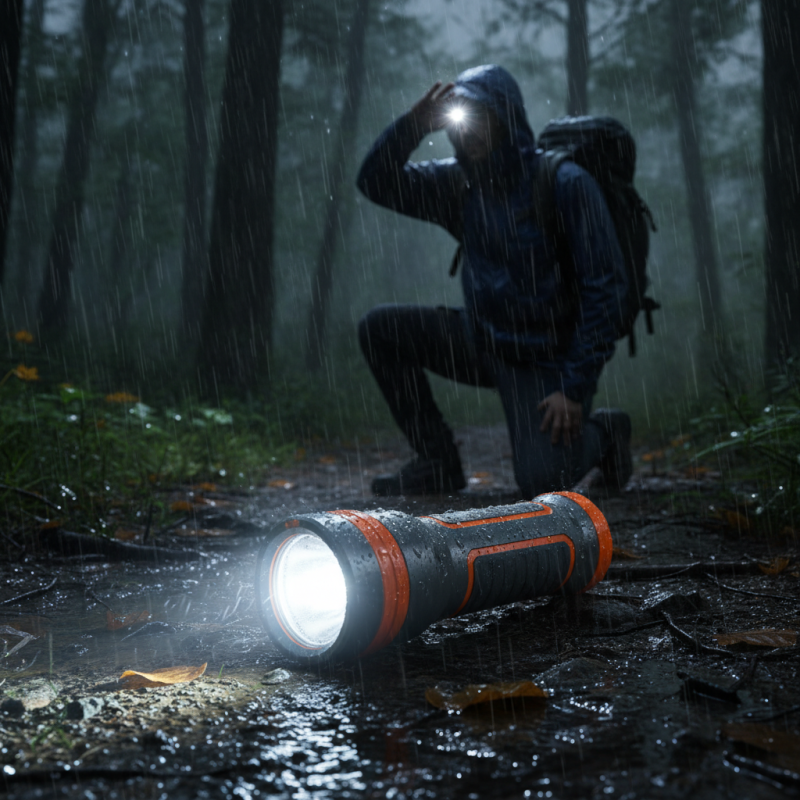
Understanding Waterproof Emergency Lights and Their Importance
Waterproof emergency lights are crucial during disasters or power outages. They ensure visibility and safety when traditional lighting fails. According to a report by the National Fire Protection Association (NFPA), over 68% of home fire deaths occur in situations where there’s no backup lighting. This statistic highlights the importance of having reliable lighting options in emergencies.
When selecting a waterproof emergency light, consider its durability. The light should withstand rain, snow, and extreme temperatures. Look for an IP rating of at least IP67, indicating it’s dust-tight and can be submerged in water for a limited time. Moreover, the light’s brightness is vital. Research shows that lights with over 300 lumens are effective for visibility in dark situations.
Emergency situations can be unpredictable. The brightness may need to adapt based on the environment. Some lights come with multiple settings for this purpose. Remember that a light's battery life is critical too. A good light can last anywhere from 8 to 48 hours on a single charge. However, many batteries degrade faster than expected, leading to unforeseen challenges when most needed.
How to Choose the Best Waterproof Emergency Light?
| Feature | Description | Importance | Recommendation |
| Waterproof Rating | IP65 or higher rating to ensure it can withstand water exposure. | Critical for functionality in wet conditions. | Choose lights rated IP65 or above. |
| Brightness | Measured in lumens; indicates how bright the light is. | Essential for visibility during emergencies. | Select a light with at least 200 lumens. |
| Battery Life | Duration the light will last on a single charge or set of batteries. | Important for prolonged use during emergencies. | Look for at least 6 hours of continuous light. |
| Size and Weight | Should be portable and easy to carry. | Facilitates easy transport and storage. | Opt for compact models under 2 lbs. |
| Durability | Construction materials that resist impact and corrosion. | Ensures long-lasting use in tough conditions. | Choose models with reinforced housing. |
| Light Modes | Different settings: steady, flashing, SOS. | Increases versatility for various situations. | Select lights with multiple mode options. |
Criteria for Evaluating Waterproof Ratings in Emergency Lights
When choosing a waterproof emergency light, understanding waterproof ratings is crucial. The Ingress Protection (IP) rating system helps evaluate how well the light withstands water. A rating of IP65 means the light is protected against water jets. In heavy rain, this is beneficial. However, lights with lower ratings may not perform well when exposed to wet conditions.
Consider where you will use the light. If you need it for outdoor activities, look for lights with higher ratings. An IP68 rating indicates that a light can withstand submersion. This is ideal for boating or camping. Assessing the environment can guide your choice effectively.
**Tips:** Check the product details. Many lights may claim to be waterproof, but they may offer varying levels of protection. Don't rush your decision. Reviews often provide insight into the light's real-world performance. Experiment with different models before settling on one.
Key Features to Consider When Choosing an Emergency Light
When selecting a waterproof emergency light, consider its brightness. A lumen output of at least 200 is often recommended. This brightness ensures visibility in dark situations. Look for adjustable settings. Sometimes, a dimmer mode is more useful. It can help conserve battery life.
The construction material of the light is crucial. Choose one made from durable, lightweight materials. This combination provides reliability without adding bulk. Waterproof ratings are also essential. A rating of IP67 or higher indicates excellent water resistance. Lights with this rating can withstand heavy rain or accidental immersion.
Don't overlook portability. A compact design ensures easy transportation. However, some designs may compromise durability. Balance practicality and sturdiness. It’s a challenging task, but worth the effort. Remember battery life. Longer-lasting batteries reduce the need for frequent replacements. Check if the light offers rechargeable options. These features are often more sustainable and cost-effective.
Comparison of Battery Types for Waterproof Emergency Lights
When considering battery types for waterproof emergency lights, there are several factors to evaluate. Lithium batteries are lightweight and often last longer than other types. They perform well in extreme conditions, making them popular for emergency lighting. On the downside, they can be costlier. If budget is tight, alkaline batteries offer a more affordable alternative. They provide decent performance but may not last as long in critical situations.
Rechargeable batteries are another option. They can save money over time. However, they usually require regular charging. If not maintained, they can fail when you need them most. You could end up with a dead light during an emergency. It's essential to weigh these factors based on your specific needs and situations.
In addition, consider the environmental impact of your battery choice. Some batteries are more eco-friendly than others. This is worth reflecting on if you are environmentally conscious. Look for batteries that can be recycled. Emergency situations are unpredictable. Choosing the right battery can make a difference in critical moments, but it requires careful thought.
Tips for Ensuring Durability and Reliability in Emergency Lighting
Choosing the right waterproof emergency light is crucial. Durability and reliability are key factors. Look for lights with sturdy casings. Materials like high-quality plastics or rubber can resist water. They must also withstand impacts. Ports and switches should be tightly sealed.
Always check the IP rating. A light with an IP67 rating can endure submersion in water. This is important if you expect heavy rain or flooding. Battery life is essential too. A light might be bright but short-lived. Longer battery life provides peace of mind.
Consider design, too. Can it be easily mounted or carried? Compact lights are often convenient. Larger models may hold more power. But they can be heavy. Finding a balance is vital. It's okay to feel uncertain at times. Take your time to evaluate your needs.