
How to Choose Solar Lights in 2026 for Global Buyers?
Choosing solar lights in 2026 requires more than comparing brightness, prices, or attractive product photos. Global buyers must examine real operating conditions. A pathway light for a dry Mediterranean garden faces different demands from a security light beside a humid tropical warehouse. Sunlight hours, seasonal cloud cover, temperature, dust, battery quality, and installation height all affect performance. Small details matter. A larger panel may charge better during winter. A warmer color temperature can make a hospitality area feel safer and more welcoming. Yet brighter is not always better. Excessive glare can disturb neighbors, wildlife, or drivers.
Dr. Steven Chu, a Nobel Prize-winning physicist and former U.S. energy secretary, has stated, “The sun supplies more energy to the Earth in one hour than the entire world consumes in a year.” That potential is impressive, but solar lights cannot capture it equally in every location. Product labels sometimes simplify difficult realities. Claimed runtime may depend on full sunlight and reduced brightness. Battery replacement can also become an overlooked cost. Buyers should request test data, protection ratings, charging performance, warranty terms, and spare-part availability. Ask difficult questions. A reliable supplier should answer clearly.
This guide explores how to select solar lights for residential, commercial, municipal, and remote applications in 2026. It considers performance, durability, safety, design, maintenance, and total ownership cost. Some recommendations may not fit every market. That is the honest limitation. Good purchasing decisions begin with local conditions, not assumptions. A well-chosen light should quietly perform night after night, even when the weather refuses to cooperate.
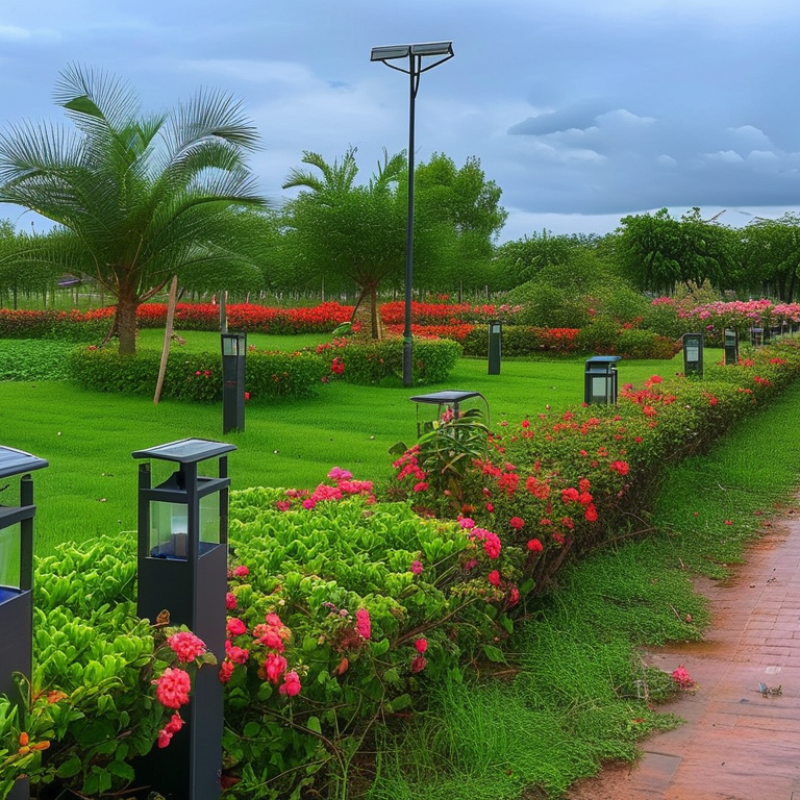
Solar Light Types and Their Best Applications
Choosing solar lights in 2026 starts with the application, not the appearance. Start with the site. A pathway light usually needs gentle, downward illumination for steps, gardens, and walkways. Select models with adjustable brightness and a weather-resistant housing. For driveways or loading areas, solar floodlights provide wider coverage and stronger output. Motion sensors can reduce battery use, but their detection range must match the entrance.
Wall lights suit doors, balconies, and outdoor corridors. Look for a sealed design, stable mounting plate, and a warm color temperature near 2700–3000K. Solar street lights require more careful planning. Their panel angle, battery capacity, pole height, and lighting distribution affect safety and maintenance costs. In cloudy regions, choose a larger panel and longer autonomy. In hot climates, battery temperature tolerance matters. Coastal buyers should also check resistance to salt air.
Portable solar lanterns work well for camping, emergency preparation, and temporary work areas. They should be lightweight, rechargeable, and easy to inspect. Decorative lights create atmosphere, but they rarely replace functional lighting. This distinction is often overlooked. A high lumen rating alone does not guarantee useful light; beam angle and installation height matter too. Check the stated operating hours under realistic weather conditions, not only laboratory claims. Local electrical, recycling, and outdoor safety requirements also deserve attention. Measure twice. A slightly more expensive light may perform better, yet poor placement can waste even the best equipment.
| Solar Light Type | Best Applications | Typical LED Output | Typical Solar Panel | Typical Battery | Typical Night Runtime | Weather Protection | Key Selection Considerations |
|---|---|---|---|---|---|---|---|
| Solar Pathway Light | Garden paths, walkways, driveways, residential landscaping | 20–150 lm | 0.5–2 W | 600–2,000 mAh Li-ion or Ni-MH | 8–12 hours | IP44–IP65 | Choose low-glare optics, a stable ground stake, and sufficient spacing for even illumination rather than maximum brightness. |
| Solar Bollard Light | Public gardens, resort paths, commercial landscaping, pedestrian areas | 100–500 lm | 1–5 W | 1,500–6,000 mAh Li-ion | 8–12 hours | IP54–IP65 | Check mounting stability, corrosion resistance, light distribution, and resistance to accidental impact in public spaces. |
| Solar Wall Light | Entrances, balconies, garages, terraces, exterior walls | 100–800 lm | 1–6 W | 1,200–5,000 mAh Li-ion | 6–12 hours | IP44–IP65 | Review installation height, panel orientation, beam angle, and whether the light includes dusk-to-dawn or motion-sensor operation. |
| Solar Floodlight | Yards, parking areas, warehouses, construction sites, security zones | 500–3,000 lm | 5–30 W | 4,000–20,000 mAh Li-ion | 6–12 hours | IP65–IP67 | Prioritize panel and battery capacity, adjustable mounting, beam coverage, thermal management, and realistic output at the required distance. |
| Solar Security Light | Home perimeters, gates, garages, farms, remote entrances | 600–2,500 lm | 5–25 W | 4,000–15,000 mAh Li-ion | Motion-triggered; commonly 30–120 seconds per activation | IP65–IP66 | Compare motion detection range, detection angle, false-trigger control, sensor sensitivity, and the number of activations per night. |
| Solar Street Light | Roads, residential streets, village lanes, parking lots, public pathways | 1,000–12,000 lm | 20–150 W | 20–200 Ah LiFePO₄ or lithium battery | 10–14 hours, often with dimming | IP65–IP66 | Evaluate road width, pole height, lighting distribution, local solar resource, battery autonomy, wind load, and maintenance access. |
| Solar Spot Light | Trees, signs, façades, monuments, landscape features, flagpoles | 100–1,000 lm | 1–10 W | 1,500–8,000 mAh Li-ion | 6–12 hours | IP65–IP66 | Match beam angle and aiming adjustment to the target distance; a separate panel can help when the light is installed in shade. |
| Solar Lantern | Camping, emergency lighting, patios, balconies, temporary outdoor use | 50–500 lm | 0.5–5 W | 1,000–10,000 mAh Li-ion | 6–24 hours, depending on brightness | IPX4–IP65 | Look for multiple brightness levels, a replaceable or serviceable battery, USB charging, a carrying handle, and safe heat management. |
| Typical specifications vary by design and operating conditions. Actual performance depends on daily solar irradiation, panel orientation, shading, ambient temperature, battery age, dirt accumulation, and the selected lighting mode. For global purchasing, verify regional certifications, battery transport requirements, local voltage or charging accessories, and the declared test conditions behind lumen and runtime claims. | |||||||
Related Posts
-
What is the Best Solar LED Lights for Outdoor Use?
-
How to Choose the Best Outdoor Solar Lights for Your Home Garden?
-
The Evolution of Solar Lamps: Illuminating a Sustainable Future
-
Discover the Future of Solar Lamp Innovations at the Global Sourcing Hub of the 137th Canton Fair
-
7 Top Features of the Best Solar Powered Lights That Every Global Buyer Should Know
-
How to Choose the Right Solar Street Lights for Your Urban Development Needs
