How to Choose the Best Outdoor Solar Lights?

Choosing the best outdoor solar lights begins with understanding where they will go and what they need to do. A path light marking uneven steps has different needs from a bright security light above a garage. Consider the area’s size, the light’s purpose, and how many hours of darkness it must cover. Lumens indicate brightness, while color temperature affects whether the light feels warm or stark. Small details matter.

Sunlight is just as important as the fixture. A shaded porch may not charge a panel as well as an open garden, even when both products claim similar performance. Check whether the panel is separate, adjustable, or built into the light. Battery capacity, expected runtime, and weather-resistance ratings can also help you compare options, though real results vary with season and location. A label alone cannot promise a bright winter night.

Installation deserves attention, too. Look for sturdy materials, a mounting method that suits your surface, and controls you can understand without a manual hunt. Motion sensors and adjustable settings may save stored power, but they are not useful if they trigger constantly or illuminate the wrong spot. It is tempting to choose by price or appearance alone. That can be a mistake. A thoughtful comparison of brightness, charging conditions, durability, and maintenance will make it easier to find outdoor solar lights that fit your space—and to set realistic expectations before buying.
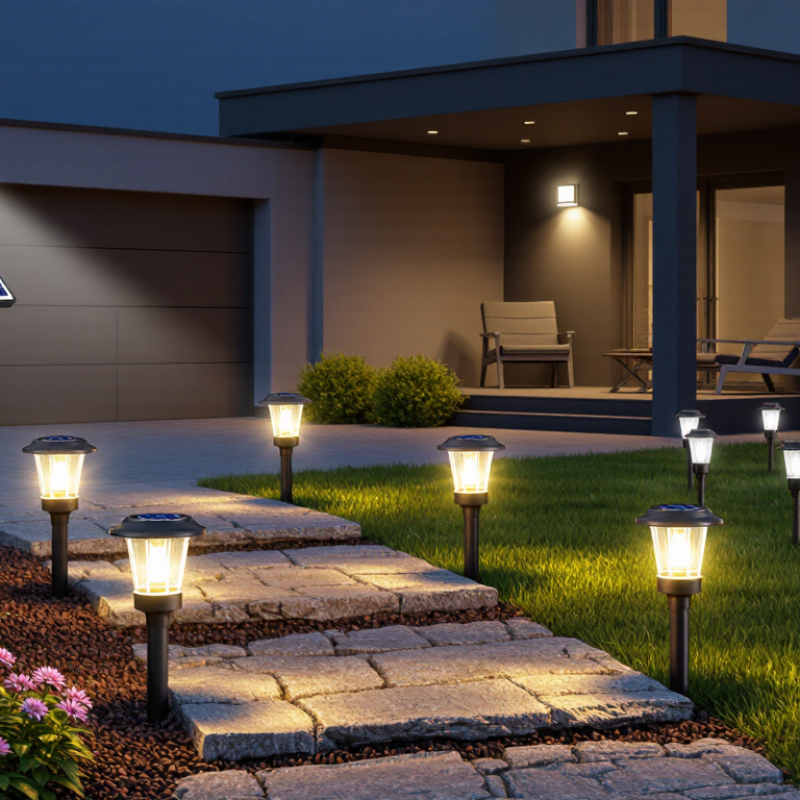
How to Choose the Best Outdoor Solar Lights?

Understand How Outdoor Solar Lights Work

How to Choose the Best Outdoor Solar Lights?

Understand How Outdoor Solar Lights Work

Outdoor solar lights turn sunlight into stored electrical energy. A small photovoltaic panel captures daylight and charges a rechargeable battery inside the fixture. After dark, a light sensor detects the change and switches on the LED. That is the basic cycle.

Charging conditions matter. A panel beneath a tree or deep eave may receive too little direct sun, even on a bright day. Cloudy weather can reduce charging, while winter’s shorter days may shorten nighttime run time. Not magic. Check the panel’s position at different times of day, not just when you install it.

When comparing lights, look at brightness, battery capacity, and stated run time together. Lumens indicate light output, but they do not tell you how long that brightness will last. A path marker needs less light than a fixture near steps, where clear visibility matters. If a product gives only a dramatic runtime estimate, treat it cautiously; test results may assume ideal sunlight and a fully charged battery.

Keep the panel free of dust and leaves with a soft, damp cloth. Avoid judging performance after one cloudy evening. Batteries gradually lose capacity, and cold temperatures can affect output. A little maintenance helps, but it cannot make a shaded panel collect sunlight.

Assess Your Outdoor Lighting Needs

Before comparing solar lights, spend one evening noticing where darkness causes problems. Walk the paths you actually use, from the back door to the bins, rather than lighting every corner. Mark steps, gates, and uneven paving that disappear after sunset. Make notes. Consider what each spot needs: a soft glow for seating, or a clearer beam for a narrow walkway. A bright fixture can feel harsh beside a small patio, while a decorative light may not reveal a raised edge.

Check how much direct sun reaches each proposed panel. A wall shaded by trees may charge poorly, even if the fixture looks suitable in a shop. Check the panel’s placement options, stated runtime, and charging conditions; cloudy weeks and winter days can reduce evening output. Think about controls, too: motion sensing suits occasional passage, while steady light may work better near a frequently used entrance. Be realistic. Your first layout may miss a dark patch, so test a few positions before installing several lights. Keep notes on what feels useful, not merely what looks impressive in daylight.

How to Choose the Best Outdoor Solar Lights? - Assess Your Outdoor Lighting Needs

Outdoor Area Primary Lighting Need Indicative Light Output Placement Guidance Useful Features Solar Suitability Check
Pathways and steps Help people see the walking surface and changes in level. About 10–100 lumens per light, depending on spacing and desired brightness. Space lights evenly along the route and avoid placing them where they could cause glare. Low-glare, downward-facing light; dusk-to-dawn operation. Check that the panel receives several hours of direct sunlight and is not shaded by plants or structures.
Entryways and doorways Make keys, locks, and doorsteps easier to see. About 100–300 lumens for general entry lighting; more may be needed for a large or very dark area. Mount near the entrance and aim light toward the approach rather than directly into people’s eyes. Motion sensing can conserve stored energy when the entrance is used occasionally. Choose a panel location with good sun exposure; consider a separate panel if the fixture is in a shaded spot.
Driveways and parking areas Illuminate a wider area for vehicle access and pedestrian visibility. About 300–1,000 lumens per fixture, adjusted for area size, mounting height, and beam spread. Mount higher or use multiple fixtures to reduce dark patches and harsh shadows. Adjustable heads and motion sensing can direct light where and when it is needed. Large-area lighting uses more energy; check the product’s stated runtime and solar charging requirements.
Security and perimeter areas Provide bright, temporary illumination near gates, side yards, or outbuildings. About 400–1,500 lumens for many floodlight applications; the required output depends on coverage and distance. Aim toward the area to be monitored and avoid shining into neighboring windows or public paths. Motion activation, adjustable sensitivity, and adjustable beam direction. Frequent activations and high brightness can shorten runtime; look for clear battery and runtime specifications.
Decks, patios, and seating areas Create comfortable ambient light for relaxing and socializing. About 20–200 lumens per fixture, depending on whether the light is decorative or task-oriented. Use several lower-output lights for even coverage instead of one bright point source. Dimming or selectable brightness helps balance comfort and battery life. Allow for seasonal changes in daylight; shaded patios may need a panel positioned in a sunnier location.
Garden beds and landscape features Highlight plants, trees, walls, or focal points. About 10–200 lumens per light, depending on the feature’s size and the desired effect. Test the beam angle and direction at night; keep panels clear of growing foliage. Adjustable heads and warm-white options can suit accent lighting. Confirm that nearby trees or seasonal growth will not block the panel’s sunlight.

Note: Lumen ranges are indicative, not guarantees. Actual brightness and nightly runtime vary with fixture design, battery capacity, panel exposure, weather, season, and operating mode. Check the product specifications and allow for several hours of direct sunlight where possible.

Compare Light Types, Brightness, and Coverage

Start with the area you want to light. Path lights spread a gentle pool along walkways, while spotlights create narrow beams for trees, steps, or gates. Wall lights suit entrances and patios. Floodlights cover wider spaces, but can feel harsh near seating. Choose the light type for the task, not just its appearance.

Tips: Check brightness in lumens, not watts. Low-output lights can mark a path; brighter models suit larger areas. Try one light after dusk before buying several. It is easy to misjudge coverage in daylight.

Coverage depends on beam angle, mounting height, and spacing. A narrow spotlight may look bright but leave nearby ground dark. Place lights where their beams overlap slightly, and avoid aiming them toward windows or neighbors. Solar panels also need several hours of direct sun for reliable charging. Shaded gardens may need fewer lights or a different placement. Weather resistance matters too, especially where fixtures face rain or sprinklers. A little trial and adjustment often works better than an exact-looking plan on paper.

Evaluate Solar Panels, Batteries, and Weather Resistance

Outdoor solar lights depend on three parts working together: the panel, the battery, and the casing. Check the panel’s size and stated output, but remember that ratings do not guarantee bright light on a shaded porch. A south-facing, unobstructed spot usually receives more useful sun. Small panels can struggle after cloudy days.

Look beyond battery capacity alone. Compare the stated runtime and charging conditions, and check whether the battery is replaceable. Cold weather can reduce battery performance, while repeated deep discharge may shorten its useful life. Weather resistance matters just as much. An IP65 rating indicates protection from dust and water jets, not submersion. Inspect seams, covers, and drainage points, especially if rain pools where you plan to mount the light. Even a well-rated fixture can disappoint when its panel sits beneath a roof edge.

Tips: Place the panel where it gets several hours of direct sunlight, then test the light over a few evenings. Wipe off dust and fallen leaves. I would avoid judging performance after one sunny afternoon; that can be misleading. If winter output matters, choose a model with clear cold-weather guidance, not just a larger battery figure.

Select the Best Features for Your Budget and Location

Choose outdoor solar lights by matching their features to the place they will serve, not by comparing price alone. A path beside a sunny lawn may need modest, downward-facing lights, while a shaded entrance may need a larger panel that can be positioned in direct sun. Shade matters. Check the stated light output and beam angle, then picture how many steps or metres the light must cover. A bright spot with a narrow beam can still leave the edges dark. Motion sensors can save energy near a doorway, but they may be annoying beside a busy walkway.

Your budget should include upkeep, not just the checkout price. Look for replaceable batteries, sturdy mounting hardware, and a clear water-resistance rating in the product details. In winter or during long cloudy stretches, charging can fall short, so avoid relying on solar lights for essential safety. Not every feature pays. A dusk-to-dawn setting may suit a quiet garden, while adjustable brightness can stretch limited charge near a porch. I still find brightness claims easy to overvalue; real performance depends on panel placement, season, and surrounding obstructions. Choose a model you can reposition, and test it after dark before installing several. That small trial may reveal a shadow you missed.

(08) 7200 3909