
How to Choose the Right Ground Rod and Earth Rod for Your Needs?

When it comes to electrical safety, choosing the right Ground Rod & Earth Rod is critical. Industry expert John Smith emphasizes, "Selecting the correct ground rod can prevent serious electrical hazards." His insights highlight the importance of understanding both the technical specifications and the environmental conditions for effective grounding.

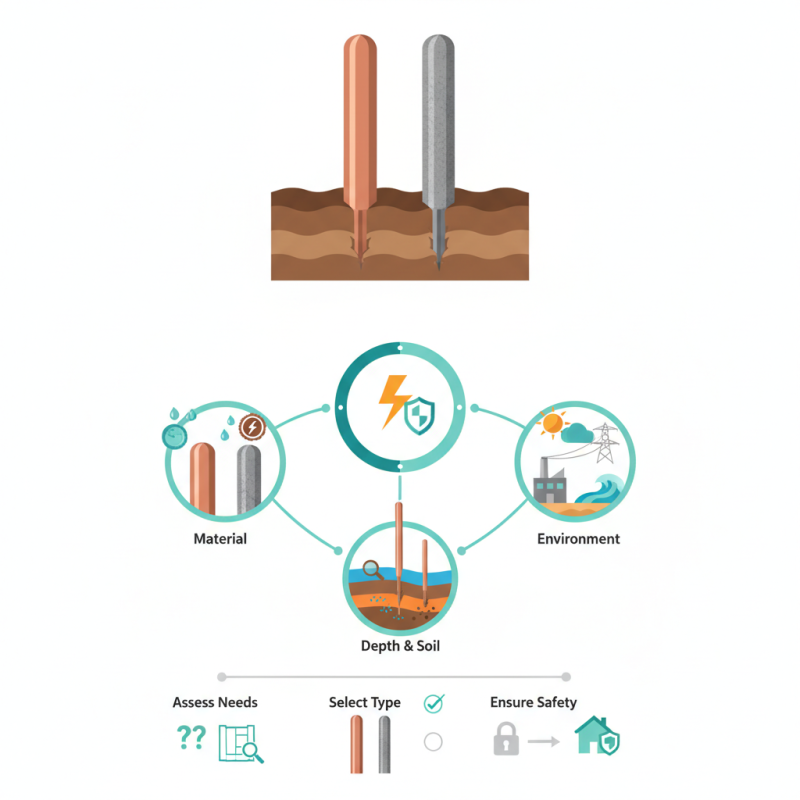
Ground rods are essential for protecting electrical systems. However, not all ground rods are created equal. Factors such as depth, material, and soil composition must be carefully considered. For example, copper rods resist corrosion better than steel in certain environments. This means you might need to reassess your choice based on local conditions.

Investing time in understanding your options ensures long-term safety. The complexity of grounding systems can be daunting. Yet, informed decisions about Ground Rod & Earth Rod can make a significant difference in safety and reliability. Do you know the specific needs of your installation? Reflecting on this might lead to better choices.
How to Choose the Right Ground Rod and Earth Rod for Your Needs?

Understanding the Importance of Ground Rods in Electrical Systems

Ground rods play a crucial role in electrical systems. They provide a pathway for stray electrical currents to safely dissipate into the earth. This process minimizes the risk of electrical shocks and helps to protect equipment from damage. A proper grounding system is not just beneficial; it is essential for safety and functionality.

Choosing the right ground rod involves understanding the soil type in your area. Different soil conditions affect conductivity. For example, sandy soils might need a different grounding solution than clay soils. It is important to consider local codes and standards to ensure compliance. A rod that is too short or made of inadequate material can lead to inefficient grounding.

Many overlook the significance of a well-installed ground rod. An improperly installed rod may fail to protect electrical systems effectively. Regular maintenance and testing of the grounding system can prevent serious safety hazards. Ground rods should be inspected periodically to ensure they are in good condition. Understanding the specifics of your grounding needs can prevent costly mistakes down the line.

How to Choose the Right Ground Rod and Earth Rod for Your Needs?

Rod Type Material Length (ft) Diameter (in) Application Cost (USD)
Copper Clad Ground Rod Copper 8 0.625 Residential Electrical Systems 40
Galvanized Steel Ground Rod Steel 10 0.75 Commercial Applications 30
Stainless Steel Ground Rod Stainless Steel 8 0.5 Industrial Facilities 80
Bentonite Ground Rod Bentonite 6 0.625 Solar Panel Systems 25

Types of Ground Rods: Copper, Galvanized Steel, and Stainless Steel

When selecting a ground rod, you should consider the type of material used. Three common options are copper, galvanized steel, and stainless steel. Each type has unique properties that can impact its performance.

Copper rods are known for their excellent conductivity, making them a popular choice. They resist corrosion well and last long in most conditions. However, their cost can be a deterrent for some users. Galvanized steel rods are more affordable but can corrode over time if not adequately maintained. They work fine in less demanding environments. Stainless steel rods offer superior resistance to corrosion. This makes them ideal for harsh climates, yet they are usually the priciest option.

Selecting the right ground rod hinges on several factors. You must consider your specific environmental conditions and budget. Reflecting on these points can help streamline your decision-making. Remember, a wrong choice could lead to costly issues later. The right ground rod can ensure a safe electrical system in your home or business.

Comparison of Ground Rod Types

This chart illustrates the conductivity and average lifespan of different types of ground rods, helping you choose the right one for your needs.

Selecting the Appropriate Diameter and Length for Ground Rods

When selecting a ground rod, diameter and length are crucial. A typical ground rod ranges from 5/8 inch to 1 inch in diameter. A thicker rod usually provides better conductivity. However, it can be heavier and harder to install. The diameter impacts resistance, which affects performance. A well-chosen diameter enhances efficiency, ensuring safety in electrical systems.

Length is equally significant. Standard ground rods are often 8 to 10 feet long. Longer rods can penetrate deeper, achieving better grounding. This helps in high-resistance soil conditions. However, they may require more effort for installation. Consider your area’s soil type when choosing length. Hard, rocky soil could pose challenges. Adequate depth ensures effective grounding, which should not be overlooked.

Investing time in selecting the right dimensions is essential. The balance between rod diameter and length affects performance. Each installation is unique, calling for careful consideration. Don't rush the process; evaluate your needs thoroughly. In some cases, initial choices may not work as expected, prompting reevaluation. Grounding systems may need adjustments over time, ensuring reliability and optimal safety.

National Electrical Code (NEC) Recommendations for Grounding Electrode Systems

When selecting a grounding electrode system, understanding the National Electrical Code (NEC) is crucial. The NEC offers guidelines for installing ground rods and earth rods. These recommendations ensure safety and efficiency in electrical systems. According to the 2020 NEC, a minimum of one ground rod is required for most installations. This is essential for protecting against lightning and electrical surges.

The NEC specifies that ground rods should be at least 8 feet in length and made of conductive materials. Copper and galvanized steel are typically used due to their corrosion resistance and conductivity. Studies show that a proper grounding system can reduce the risk of electrical shock by up to 70%. This statistic highlights the significance of adhering to the NEC's recommendations.

However, not all installations are straightforward. Soil conditions can affect grounding effectiveness. Rocky or dry soils may require multiple rods to achieve the desired resistance to ground. Sometimes, people overlook these factors, leading to inadequate grounding that compromises safety. Addressing these challenges is vital for ensuring a compliant and reliable grounding system.

Testing and Maintenance Considerations for Ground Rods in the Field

When selecting ground rods, testing and maintenance are crucial. Regular inspections help ensure their effectiveness in grounding systems. Check connections for corrosion and wear. It’s wise to clean the rods periodically. A clean surface promotes better conductivity.

Tips: Consider using a multimeter for quick tests. This tool helps verify the resistance level of the ground rod. If readings are high, it signals a potential problem. Document your findings for future reference.

Routine maintenance can extend the life of ground rods. Inspect surrounding soil conditions, as moisture levels affect grounding performance. If you notice dry or rocky soil, consider re-evaluating your installation. Adjustments may be necessary to optimize grounding efficiency. Grounding systems are not one-size-fits-all; they require attention and care.

(08) 7200 3909