
What Is an Interactive Light Sculpture?
An Interactive Light Sculpture is an artwork that changes its light in response to people, movement, sound, or other inputs. Unlike a fixed illuminated object, it invites viewers to affect what they see. A visitor might step across a gallery floor and trigger a band of blue light, or pause near a wall as its colors slowly shift. These effects can come from sensors, programmed LEDs, projection, or a combination of tools. The exact setup depends on the artist’s idea and the space. A responsive display is not automatically engaging. Its timing, brightness, and behavior matter.
This introduction explores how interactive light sculptures work, what parts they may include, and how artists shape the viewer’s role. It also considers practical details such as visibility, safe movement around the installation, and reliable operation in different spaces. Not every response feels meaningful. A light that flashes with each gesture can seem exciting at first, then repetitive. That tension is worth examining, not hiding. Good design often leaves room for quiet moments and uncertain reactions. By looking at both the technology and the experience, readers can better understand what makes this art interactive—and what can make it feel more like a simple visual effect.
What Defines an Interactive Light Sculpture?
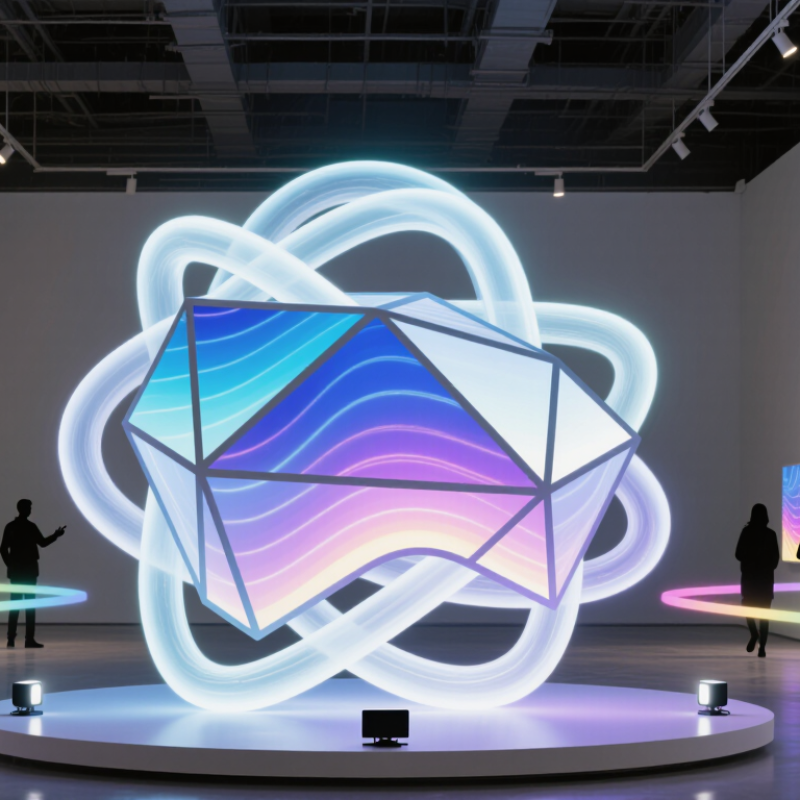
An interactive light sculpture is defined by a meaningful relationship between people and light, not by motion alone. Sensors may detect a visitor’s distance, gesture, sound, or movement. The sculpture then changes its color, brightness, pattern, or rhythm in response. A hand passing near a panel might send a soft band of blue across it. The visitor’s action becomes part of the work.
That response should feel connected to what caused it. If a sculpture reacts after a delay, the timing can make the interaction feel unclear. Too much sensitivity can also turn a quiet gallery into a restless display. Small details matter. Designers often test sensor placement, response time, and light intensity in the actual space, because reflections and nearby movement can affect what people perceive. Clear feedback helps visitors understand that their actions matter, while accessible controls and comfortable brightness make the experience easier to approach. Not every interaction will feel intuitive. That is worth admitting. A little uncertainty can invite exploration, but confusion may push people away. The defining quality is a considered exchange: the sculpture responds, and the visitor can notice how their presence shaped the light.
| Defining Dimension | What It Means | How It May Work | Illustrative Example |
|---|---|---|---|
| Light as the primary medium | Light is a central part of the artwork’s visible form, rather than only a way to illuminate another object. | LEDs, lamps, or projected light create colors, patterns, brightness changes, or illuminated shapes. | A group of glowing elements forms a shifting composition in a public space. |
| Audience input | A person’s presence or action can influence what the artwork does. | Input may come from movement, touch, sound, or a control interface. | Walking near a light element may cause its brightness to change. |
| Sensing and detection | The installation detects selected changes in its surroundings or responds to direct input. | Depending on the design, sensors may detect motion, proximity, touch, or sound levels. | A motion sensor detects activity within a defined area. |
| Responsive behavior | The detected input leads to a visible or audible change in the artwork. | A controller processes input and triggers a programmed response, such as a color shift or animated sequence. | A passing visitor triggers a wave of light that travels across the installation. |
| Relationship between input and output | The connection between a visitor’s action and the artwork’s response helps shape the experience. | The response may be immediate, delayed, proportional, or shared across several components. | Moving closer gradually increases the intensity of nearby lights. |
| Spatial and environmental context | The surrounding space can affect how the sculpture is seen and how people interact with it. | Designers consider viewing distance, ambient light, pathways, and whether the work is indoors or outdoors. | An outdoor installation may use brighter light sources to remain visible after dusk. |
| Participation and shared experience | Interaction may involve one person or several people, making audience behavior part of the artwork’s changing appearance. | The system can respond to individual inputs or combine activity from multiple visitors. | Several people moving through different zones may create overlapping light patterns. |
| Accessibility and safety | Interaction should be understandable and usable while accounting for visitor comfort and the installation site. | Clear pathways, accessible controls, suitable brightness, and carefully managed cables and equipment may be considered. | A touch-free interaction can allow visitors to participate without needing to reach a control. |
How Light, Sensors, and Controls Work Together
What Is an Interactive Light Sculpture?
How Light, Sensors, and Controls Work Together
An interactive light sculpture turns movement or touch into a visible response. A proximity sensor might detect a hand approaching a frosted acrylic panel, while a microphone can register nearby sound. The sensor sends a signal to a controller, which adjusts LED brightness, color, or timing. The result can feel immediate, but every response depends on careful calibration. A sensor that is too sensitive may react to passersby instead of the intended viewer.
Controls shape how the artwork behaves over time. A programmed fade can make light feel gentle; a sharp color shift can make it feel startling. Lawrence Berkeley National Laboratory’s review of commercial lighting studies reported average lighting-energy savings of about 24% from occupancy sensors. That figure is not a forecast for artwork: room use and control settings matter. The U.S. Department of Energy says LEDs use at least 75% less energy than incandescent lighting, though the sculpture’s total consumption also depends on its controller and operating hours. Still, energy efficiency alone does not make an installation successful.
Tip: Test the piece in its actual room. Watch for sunlight, reflective surfaces, and people triggering sensors from unexpected angles. Keep a manual control option. It helps when automation behaves oddly. Then adjust the response; the first setting is rarely perfect.
How Viewer Actions Shape the Sculpture
What Is an Interactive Light Sculpture?
How Viewer Actions Shape the Sculpture
An interactive light sculpture changes as people move, pause, or reach toward it. Sensors may track distance, motion, or touch, then translate those signals into color, brightness, or shifting patterns. A visitor stepping closer might draw a ribbon of blue light across a wall. Another person’s slower movement could make the glow soften and spread. Small gestures matter.
The viewer is not simply looking at a finished object. Their actions become part of its changing form. In a crowded room, overlapping movements may create quick flashes or blended colors. When the room quiets, the sculpture may settle into slower rhythms. Good interaction design makes these responses understandable without explaining every sensor. A visible change should feel connected to an action, not random.
The technology still has limits. A sensor can miss a small gesture, or respond when someone only walks past. That moment can feel awkward, and it deserves attention during testing. Designers often adjust sensor range, response time, and light intensity after observing people use the work. Not every visitor will interact. Some will watch from the edge, and their attention can shape the experience too. Imperfect, but revealing.
What Is an Interactive Light Sculpture?
Viewer actions can change a sculpture’s light output in real time. This illustrative design example maps different actions to preset light-response levels; the values are not measurements from a study.
Common Forms and Materials
Interactive light sculptures commonly appear as suspended rings, responsive wall panels, or floor-based clusters of glowing rods. Sensors can shift color or brightness when someone approaches, pauses, or moves across the room. Small changes matter. A single translucent panel may feel calm, while dozens of moving points can make a gallery feel restless.
Designers often combine LED modules with frosted acrylic, polycarbonate, glass, or diffusing fabric. Aluminum or steel frames support larger forms; the choice affects weight, heat management, and how light spreads across nearby surfaces. The IEA’s Energy Efficiency 2023 report places LEDs at about half of global lighting sales, up from roughly 5% in 2013. That shift reflects their growing practicality, though efficiency alone does not make an installation comfortable. Glare, sensor delays, and visible wiring can distract from the artwork.
Tip: Test materials with the actual light source before building the full piece. Hold a sample near a wall and watch for hotspots, harsh reflections, or uneven color. Leave room to adjust. A diffuser that looks perfect in a workshop may appear dull in a bright gallery.
Where Interactive Light Sculptures Are Used
What Is an Interactive Light Sculpture?
Where Interactive Light Sculptures Are Used
Interactive light sculptures appear in museum galleries, public squares, festival routes, transit halls, and retail atriums. Each setting changes how people encounter the work. In a gallery, visitors may approach a sensor slowly and watch colored patterns shift across a wall. Outdoors, movement, weather, and ambient light affect the experience. UNESCO’s 2021 report estimated about 95,000 museums worldwide, showing the scale of one possible setting—not how many host interactive installations.
Public spaces can invite spontaneous participation. A sculpture might brighten when someone steps nearby, or create ripples of light as pedestrians pass. Museums can provide a quieter environment, with clear instructions and staff nearby. The American Alliance of Museums reports more than 850 million visits to U.S. museums each year, a useful indicator of their potential reach. But reach is not the same as engagement. Some visitors may not notice a sensor; others may prefer not to interact. Designers should consider wheelchair access, glare, crowd flow, and whether the piece still feels complete when nobody touches it. That last question matters. A responsive object can be beautiful and still feel confusing.
