Top 10 Outdoor Solar Lights Buyers Need to Know?

When it comes to enhancing outdoor spaces, outdoor solar lights are a game-changer. They provide illumination while being energy-efficient and eco-friendly. With diverse options available, choosing the right lights can be overwhelming. This guide focuses on the top 10 outdoor solar lights that buyers need to know.

Outdoor solar lights come in various styles. From decorative garden stakes to functional wall-mounted fixtures, the choices are vast. It's crucial to consider factors like brightness, battery life, and design. Each feature impacts performance and aesthetics. Misleading reviews can often cloud judgment, making it essential to rely on expert insights.

Investing in outdoor solar lights should reflect your unique needs. Not every option will suit every buyer. Some lights may fail to meet expectations, leading to buyer remorse. Understanding the core aspects will help avoid these pitfalls. A well-informed decision ensures your outdoor space shines brightly for years to come.
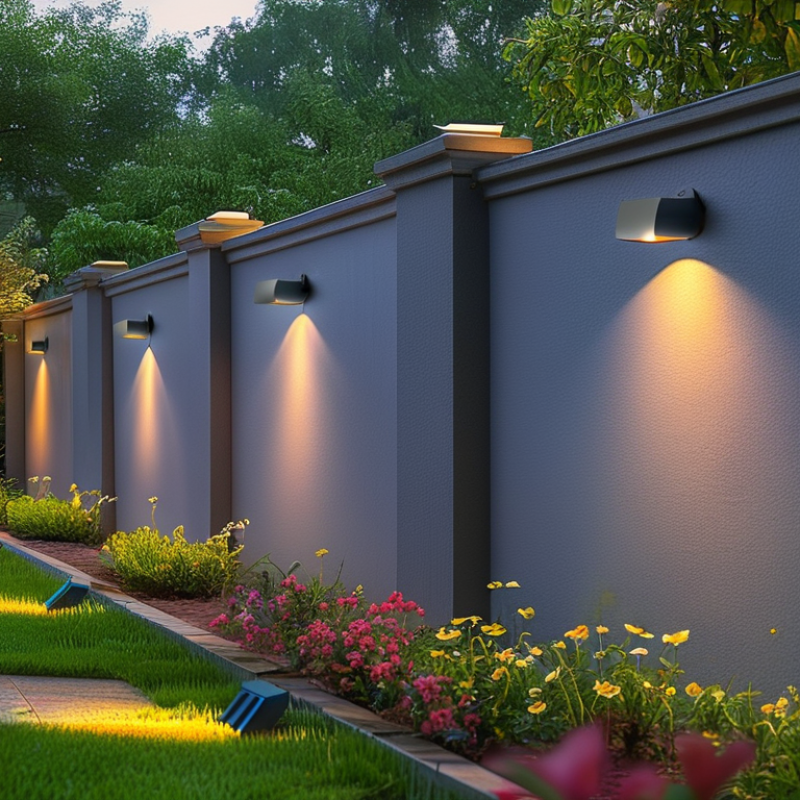
Top 10 Outdoor Solar Lights Buyers Need to Know?

Understanding Solar Lights: Key Features to Consider

When considering outdoor solar lights, several key features guide your purchase decision. Brightness is crucial. Measured in lumens, a typical solar light should have between 100 to 500 lumens for adequate outdoor visibility. A higher lumens output means brighter illumination, which enhances security around your home.

Battery capacity plays a vital role in performance. Most solar lights rely on rechargeable batteries to store energy absorbed during the day. Reports indicate that lights with larger battery capacities (2200-3000mAh) offer longer runtimes, often exceeding eight hours at night. This is essential for consistent lighting after sunset.

Durability is also a major consideration. The IP rating, which stands for Ingress Protection, assesses water and dust resistance. A light with an IP65 rating can withstand various weather conditions, ensuring longevity. Choosing products designed to withstand UV exposure and extreme temperatures is wise.

Placement of solar lights cannot be ignored. Positioning them in areas that receive full sunlight boosts their efficiency. Avoid placing lights in shaded regions. Suboptimal placement leads to weaker performance.

Looking for a balance between aesthetics and functionality can be tricky. Though higher-quality lights often come at a premium, investing in reliable options ensures satisfaction over time. An educated choice helps avoid common pitfalls linked to lower-end products that fail in durability and brightness. Keep these factors in mind as you browse your options.

Types of Outdoor Solar Lights and Their Unique Benefits

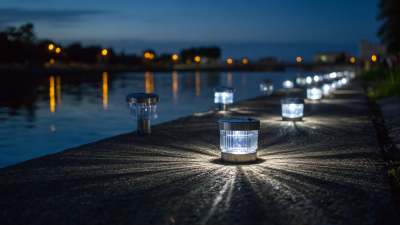
Outdoor solar lights come in various types, each offering unique benefits tailored to different needs. Solar pathway lights are popular for enhancing walkways, providing safety and visibility at night. According to the U.S. Department of Energy, using solar lighting can reduce energy costs by approximately 80%, making it an economical choice for homeowners.

Another type is solar flood lights, ideal for illuminating large areas or highlighting features in your yard. These lights offer powerful brightness without relying on grid electricity. Research indicates that solar-powered flood lights can produce up to 1000 lumens, which is comparable to traditional electric flood lights. They are effective for security purposes, deterring potential intruders.

String lights create a warm and inviting atmosphere. They are perfect for patios or outdoor gatherings. However, some users experience issues with battery life in colder climates. It's important to consider your local weather when selecting these lights. A well-planned outdoor lighting setup can increase your home’s ambiance and safety while being environmentally friendly.

Factors Influencing the Performance of Solar Lights

When considering outdoor solar lights, several factors influence their performance significantly. The efficiency of solar panels is crucial. On average, standard solar panels convert around 15-20% of sunlight into usable energy. However, high-quality panels can achieve efficiencies of 22% or more. This means a light with better solar panels will perform noticeably better in low-light conditions.

Battery capacity also plays a vital role. Typically, outdoor solar lights use lithium-ion or nickel-cadmium batteries. Lithium-ion batteries have a longer lifespan, often exceeding 2,000 charge cycles. In contrast, nickel-cadmium batteries may last only about 500 cycles. As such, choosing lights with higher-capacity batteries translates to more reliable performance and longer illumination during the night.

Lastly, the placement and orientation of solar lights affect their energy absorption. Lights positioned in shaded areas will not gather enough sunlight, leading to reduced functionality. Data suggests that optimal placement, receiving at least 6 hours of direct sunlight daily, can increase energy retention by 30%. These aspects must be carefully considered to ensure that outdoor solar lights meet their intended purpose effectively.

Installation Tips for Maximizing Solar Light Efficiency

Installing outdoor solar lights can significantly enhance your garden or patio, but placement is key. To maximize efficiency, choose locations that receive ample sunlight. Ideally, select spots that have at least six hours of direct sunlight each day. This is crucial for the solar panels to charge fully. Avoid shade from trees, buildings, or structures. Consider using a light meter to assess sunlight availability if you're uncertain.

Mounting height matters too. Lights installed too low may struggle to illuminate effectively. Aim for a height that spreads the light widely but also ensures it’s not obstructed by plants. Be mindful to keep the lights clean. Dirt and debris can diminish solar efficiency, so regular maintenance is necessary. Occasionally wiping down the panels with a damp cloth can improve performance.

Consider seasonal changes in sunlight exposure. In winter months, trees may lose leaves, altering the sunlight dynamics. Check your setups periodically and adjust as necessary. It's a good practice to test the lights on cloudy days to see how well they perform. Reflecting on these practices can lead to better use of your solar lighting and enhance your outdoor experience.

Top 10 Outdoor Solar Lights Buyers Need to Know - Installation Tips for Maximizing Solar Light Efficiency

Solar Light Type Best Features Average Run Time Installation Tips
Pathway Lights Durable, weather-resistant, and easy to install 6-8 hours Install in areas with direct sunlight for at least 6 hours a day.
Flood Lights High brightness, adjustable angles 10-12 hours Mount higher for broader coverage and ensure solar panels face south.
String Lights Decorative, versatile, and easy to hang 8-10 hours Hang in open spaces, avoid areas with obstructions blocking sunlight.
Spotlights Targeted illumination, adjustable focus 8-10 hours Place near trees or structures to highlight features, ensuring the solar panel gets adequate sunlight.
Deck Lights Low profile, blends with deck surfaces 5-7 hours Position on flat surfaces that receive sunlight, clear away debris regularly.
Wall Lights Compact, great for entrances 8-12 hours Mount at a height that ensures solar panel exposure while illuminating surrounding area.
Lanterns Portable, versatile lighting 6-8 hours Ensure they are placed where they can soak up sun during the day; can be moved as needed.
Underwater Lights Waterproof, enhances water features 8-10 hours Position the light at an angle to maximize visibility while ensuring solar cells receive light.
Solar Garden Lights Various designs for aesthetics and lighting 6-8 hours Space them evenly in garden beds for effective ambient lighting and ensure panel exposure.
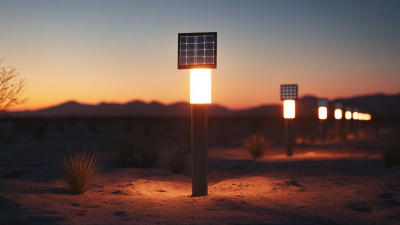
Solar Post Lights Stylish, increases visibility on paths 8-10 hours Install on posts in clear areas to avoid shadowing; ensure solar panels are unobstructed.

Maintenance Practices for Prolonging the Lifespan of Solar Lights

When it comes to outdoor solar lights, maintenance plays a crucial role in prolonging their lifespan. A study by the Solar Energy Industries Association highlights that proper care can extend the life of solar lights by up to 30%. Regular cleaning is essential, as dirt and debris can block solar panels. Take a soft cloth and gently wipe the panels to ensure maximum sunlight absorption. This simple task can significantly improve performance.
Battery maintenance is equally important. Solar lights typically utilize rechargeable batteries, which can degrade over time. A report from the International Renewable Energy Agency indicates that replacing batteries every 2-3 years can keep solar lights functioning effectively. Store batteries in a cool, dry place during harsh weather to prevent damage. Storage conditions directly affect battery life, so this cannot be overlooked.

It’s also vital to check connections and wires regularly. Corrosion can occur, impacting the efficiency of the lights. A straightforward visual inspection can identify potential problems before they escalate. Ignoring these small details might lead to larger issues down the line, such as complete failure of the system. In conclusion, effective maintenance can enhance the durability and performance of outdoor solar lights significantly, ensuring they continue to illuminate spaces beautifully.

(08) 7200 3909