
What is a Vehicle Power Inverter and How Does It Work?

A vehicle power inverter is a crucial device for many drivers. It converts DC power from the car’s battery into AC power. This transformation allows users to charge devices and operate appliances while on the move. Imagine needing to power your laptop during a long road trip. A vehicle power inverter makes this possible.

Using a vehicle power inverter can be straightforward. However, not all inverters are created equal. Some may not handle high power demands. Others may overheat or fail after extensive use. It's essential to choose the right inverter for your needs. Researching available options can help ensure you avoid potential problems.

Understanding how a vehicle power inverter operates is necessary. It can be a valuable resource for campers, travelers, or even those in emergencies. However, the learning curve can be steep. Many may overlook vital details in the product specifications. Ultimately, having a reliable vehicle power inverter can significantly enhance your travel experience.
What is a Vehicle Power Inverter and How Does It Work?

What is a Vehicle Power Inverter? An Overview of Its Functionality

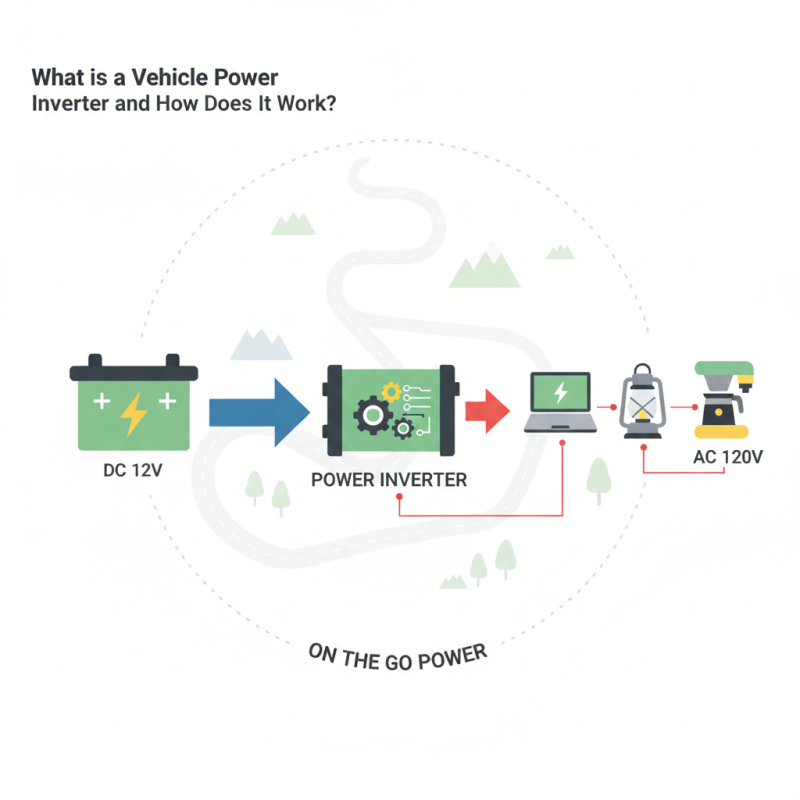
A vehicle power inverter is a device that converts direct current (DC) from a car's battery into alternating current (AC). This allows you to power various electronic devices while on the move. Inverter functionality is vital for road trips or camping. You can charge laptops, run small kitchen appliances, or even power tools. It transforms power, fitting your needs.

The process is straightforward yet fascinating. The inverter takes the DC voltage, which is typically 12 volts in a car, and changes it to a higher voltage AC output, like 120 volts. This enables compatibility with standard household appliances. Not all inverters are created equal. Some produce modified sine waves while others create pure sine waves. Each type serves different uses and projects.

Keep in mind, factors like power rating and efficiency matter. An inverter might handle short bursts of high-power demands but struggle with continuous loads. If you push it too hard, problems may arise. A small, underpowered inverter can trip easily. Your choice needs careful thought. Balancing your power needs with inverter capacity is crucial for safe and efficient performance.

Types of Vehicle Power Inverters: Modified Sine Wave vs. Pure Sine Wave

Vehicle power inverters play a crucial role in converting direct current (DC) from your vehicle’s battery into alternating current (AC) to power various devices. There are two main types of inverters: modified sine wave and pure sine wave. Each has its unique characteristics and applications.

Modified sine wave inverters are cost-effective. They usually operate at a lower price point. However, they produce a waveform that isn't smooth. This can lead to inefficiencies when powering sensitive electronics. For example, some studies indicate that these inverters can generate noise or cause devices to run hotter. It’s advisable to use them for basic appliances, like lights or small fans.

On the other hand, pure sine wave inverters provide a cleaner and more stable output. They mimic the electrical flow from standard household outlets. According to industry reports, pure sine wave inverters can enhance the performance and lifespan of devices. They are ideal for sensitive electronics, such as laptops or medical equipment. Despite being more expensive, they could save costs in repairs and replacements over time. The choice depends on your needs and budget, which requires careful consideration.

What is a Vehicle Power Inverter and How Does It Work?

Inverter Type Waveform Type Efficiency Applications Cost
Modified Sine Wave Inverter Modified Sine Wave 75-85% Basic tools, lights, fans Lower cost
Pure Sine Wave Inverter Pure Sine Wave 90-95% Sensitive electronics, appliances Higher cost
Grid Tie Inverter Pure Sine Wave 95%+ Solar panels, power grids Moderate cost
Off-Grid Inverter Pure Sine Wave/Modified Sine Wave 80-90% Remote areas, RVs, boats Variable cost

Key Specifications of Vehicle Power Inverters: Watts, Amperes, and Efficiency

When considering a vehicle power inverter, understanding key specifications is crucial. The wattage is an essential factor. Inverters generally range from 150 watts to over 3000 watts. A higher wattage indicates the ability to power more devices simultaneously. For instance, a 1000-watt inverter can support small appliances like laptops and TVs. However, it’s vital to choose an inverter that fits the expected load.

Amperage is another critical specification. It usually indicates the current output from the inverter. For example, if you have a 1000-watt inverter at 120 volts, the current draw is around 8.3 amperes. Low-quality inverters might not maintain this level efficiently. Efficiency ratings can vary greatly. Some models boast 90% efficiency, meaning energy loss is minimal. Yet, cheaper inverters might only achieve 60%. This discrepancy can lead to wasted energy, affecting battery life and device performance.

However, it's important to reflect on these specifications critically. Many users overlook how actual demand can differ from rated performance. For instance, a device may have a startup surge that exceeds its running wattage. This could strain an inverter not adequately rated for such spikes. Thus, ensuring that both the wattage and amperage ratings align with your specific devices is essential for preventing potential malfunction or damage.

Applications of Vehicle Power Inverters: From Camping to Emergency Backup

Vehicle power inverters are versatile tools that convert DC power from a vehicle's battery to AC power. This conversion enables various applications, making them popular for camping and emergency situations. When camping, having access to AC power can enhance your experience. You can charge devices, run lights, or even power small appliances like a cooler. Imagine enjoying a warm meal cooked on a portable stove while surrounded by nature. Yet, it’s important to remember to manage power consumption wisely. Overloading your inverter can lead to overheating and damage.

In emergencies, vehicle power inverters play a crucial role. When the power goes out, they can provide essential support. You might power medical devices or keep your phone charged to stay in touch with loved ones. However, it’s easy to underestimate your energy needs during these times. People often stress about running out of battery or overusing the inverter. Knowing the limits and planning ahead can prevent issues. Adopting a cautious approach ensures that your power source remains reliable when it's most needed. Overall, vehicle power inverters serve multiple purposes, but they require thoughtful consideration and responsibility.

Installation and Safety Considerations for Vehicle Power Inverter Systems

When installing a vehicle power inverter, safety is paramount. Proper installation includes securely mounting the inverter in a dry, ventilated area. It's crucial to follow the manufacturer's guidelines. Many experts suggest using an inverter rated for at least 20% more than the needed power. This buffer accounts for inefficiencies. In fact, about 30% of inverters can experience reduced efficiency at full load, possibly leading to overheating.

Wiring is another critical aspect. Use heavy-duty cables to prevent voltage drop and ensure safety. If cables are too thin, they could overheat and fail. According to industry reports, improper wiring accounts for 50% of inverter-related incidents. It’s also wise to install fuses or circuit breakers. These can prevent overload and fire hazards.

Regular maintenance is often overlooked. Checking connections, cleaning dust, and ensuring proper airflow can enhance performance. While it may seem trivial, these steps can extend the lifespan of the system. Neglecting them can lead to issues down the road. Remember, a vehicle power inverter is a powerful tool, but it requires care and attention.

Vehicle Power Inverter Efficiency Levels

(08) 7200 3909