10 Best Outdoor Solar Lights to Buy in 2026
Outdoor solar lights have moved beyond dim pathway markers. In 2026, shoppers can choose motion-sensing security fixtures, warm garden lanterns, and compact wall lights. But a bright product photo cannot show how a lamp performs after a cloudy afternoon. Battery capacity, panel placement, weather resistance, and replacement parts matter just as much.
The International Energy Agency’s Renewables 2024 report says global renewable capacity additions reached about 560 gigawatts in 2023, with solar photovoltaic power accounting for roughly three-quarters. That figure describes the wider energy market, not outdoor lighting sales. Still, it helps explain why solar technology is drawing attention. IEA Executive Director Fatih Birol said, “The world added more renewable capacity in 2023 than ever before.” His comment is about renewables broadly, rather than garden lights specifically—a distinction worth keeping clear.
A useful buying guide should test the details that product listings often gloss over. How long does a light stay on after sunset? Does its panel receive direct sun, or sit beneath a porch roof? Can the battery be replaced? Small details matter. The picks ahead compare brightness, runtime, sensor behavior, installation, and value, while recognizing that results vary with season and site conditions. No single fixture suits every yard. Sometimes, the less impressive-looking light performs better.
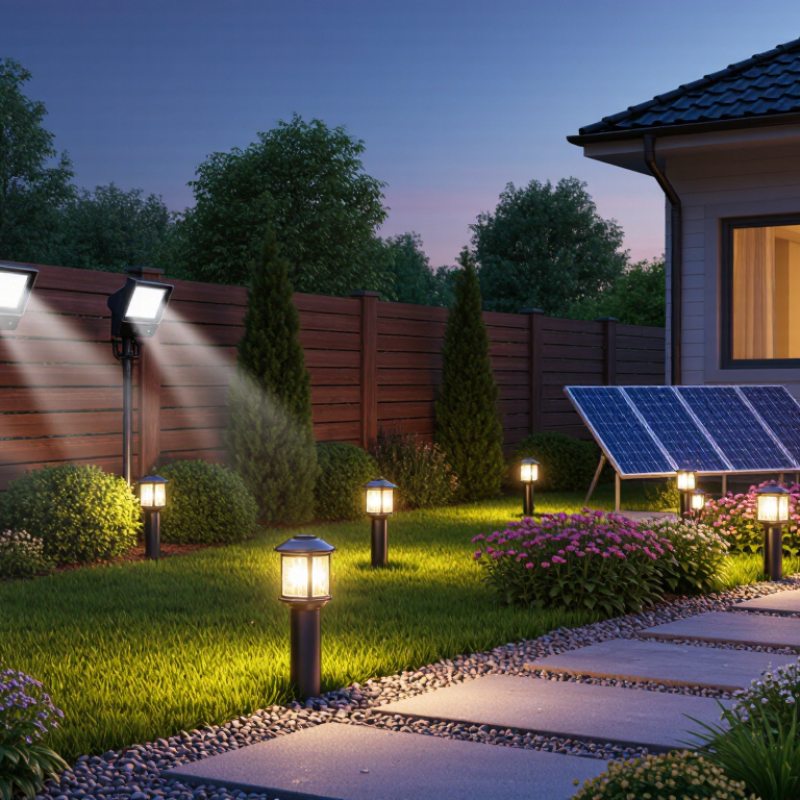
Understanding How Outdoor Solar Lights Work
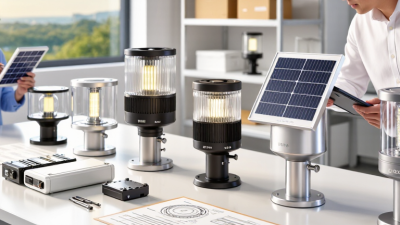
An outdoor solar light turns daylight into stored energy. Its photovoltaic panel converts sunlight into electricity and charges a rechargeable battery. After dusk, a light sensor signals the controller to power the LEDs. The controller also helps prevent the battery from discharging too quickly. Small system, simple idea.
Panel design affects where a fixture works best. A light with a built-in panel needs a sunny, unobstructed spot; a separate panel can sit farther away, linked by a cable. Even a few hours of shade can reduce charging. On a cloudy day, the battery may not fill completely, so the light can dim or switch off earlier than expected.
Battery capacity, panel angle, and LED brightness all influence runtime. In colder months, shorter days leave less time for charging, and low temperatures can affect battery performance. Keep the panel clear of dust, fallen leaves, and snow. I’ve found that placement is easy to underestimate: a sunny path at noon may be shaded by a fence in late afternoon. Check the spot across the day, not just once. Solar lights are convenient, but they do not make sunlight predictable.
Key Features to Compare Before Buying Solar Lights
When comparing outdoor solar lights, look beyond the advertised brightness. Lumens indicate light output, but beam angle matters too: a narrow beam can brighten a path while leaving nearby steps in shadow. For a porch or seating area, check whether the light offers adjustable brightness or a warmer color tone. It can feel less harsh after dark. Not a small detail.
Battery capacity and panel size affect how reliably a light runs overnight. Check the stated runtime, but treat it as a best-case estimate; shade, cloudy weather, and winter daylight can reduce charging time. A separate panel may help when the fixture sits beneath an eave. Also compare weather-resistance ratings, mounting options, and motion-sensor range. A sensor aimed at a busy sidewalk may trigger more often than expected. I would measure the installation spot before buying, though I have occasionally misjudged how far a panel cable needs to reach. A replaceable battery and clear warranty terms can make long-term maintenance simpler.
10 Outdoor Solar Lights Worth Considering in 2026
Ten outdoor solar lights worth considering in 2026 should match the job, not just look bright in a product photo. Compare path lights for even, low-level guidance; spotlights for trees or steps; and motion-sensor units for entrances. Check whether the panel is built in or connected by a cable. A separate panel can sit in a sunnier spot, though its wire may complicate installation. Small details matter. Look for a replaceable battery, a stated runtime, and an ingress-protection rating suited to rain and dust. Treat “all-night” claims cautiously: shade, winter days, and battery age can change performance.
LED efficiency helps small solar panels make useful light. The U.S. Department of Energy says LEDs use at least 75% less energy than incandescent bulbs and can last up to 25 times longer. That comparison is not a promise of equal brightness or runtime for every solar fixture. NREL’s review of photovoltaic-module studies found a median degradation rate near 0.5% per year; integrated garden-light panels may differ, so use this as context, not a warranty forecast. I still find brightness labels easy to overvalue. Check measured lumens, beam direction, and dimming behavior, then consider how long the light stays useful after several cloudy days.
Choosing the Right Solar Lights for Your Outdoor Space
10 Best Outdoor Solar Lights to Buy in 2026
Choosing the Right Solar Lights for Your Outdoor Space
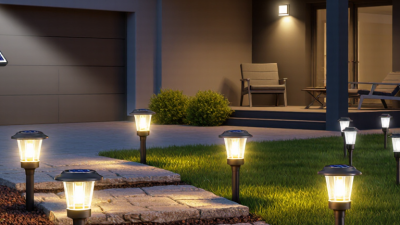
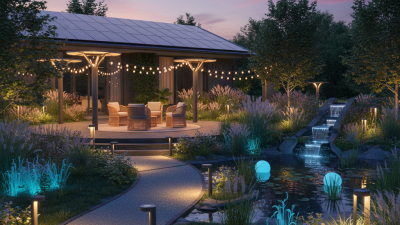
Start with the job each light needs to do. Path lights should reveal uneven paving without shining into a neighbor’s window. A motion-activated fixture may suit a side gate, while softer string lights can make a seating area feel welcoming. Check how many hours of direct sunlight the spot receives. Shade from a fence or tree can leave even a well-made light dim by evening. Small details matter.
Tips: Compare brightness, battery capacity, and weather resistance, not just appearance. Look for clear product specifications and a replaceable battery when possible. In winter, shorter days and cloudy weather may reduce run time. Place a sample light outside for a few nights before buying several; the effect can look different than it did in a shop.
Match the light’s color and mounting style to the space. Warm-toned light often feels calmer near a patio, while a cooler beam can make steps easier to distinguish. Check whether stakes hold firmly in your soil, or whether a wall-mounted unit can face the sun. I sometimes find the brightest option feels harsh in a small garden. More light is not always better, and solar performance can be inconsistent. Consider that trade-off before choosing a full set.
Installation and Care for Long-Lasting Performance
For long-lasting performance, begin with the site, not the fixture.
Place each light where its panel receives several hours of direct sun, away from roof shadows and dense branches. A winter sun path can differ sharply from a summer one. After installation, check that the stake is firm and the panel faces the open sky; a slight tilt can collect dust or hold water. Keep panels clean with a soft, damp cloth, and avoid abrasive cleaners that may scratch the surface. Small details matter.
The National Renewable Energy Laboratory’s review of photovoltaic systems reported a median module degradation rate near 0.5% per year. That figure is a broad solar-industry benchmark, not a lifespan guarantee for compact outdoor lights, whose batteries and electronics also affect performance. If a light dims, check for shade, dirt, and loose connections before assuming the panel has failed. In colder months, shorter days can reduce charging; that is normal, though frustrating. Follow the maker’s guidance for battery replacement, and store removable units in a dry place during prolonged severe weather. Inspect seals and wiring at least once each season. A quick check helps. Small solar lights can still be inconsistent from one night to the next.