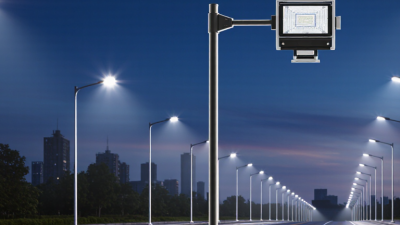
What Are the Top Types of Street Lights?
Choosing the right street light is more complex than replacing an old bulb with an LED. Road width, traffic speed, weather, mounting height, and local lighting standards all influence the best solution. A quiet residential lane needs a different beam pattern from a busy highway or a public square.
This guide examines the main types used today, including LED, solar-powered, high-pressure sodium, metal halide, fluorescent, smart, and decorative street lights. Each option has practical strengths. LED fixtures usually provide clear illumination, lower energy use, and long service life. Solar models can reduce trenching costs, but their performance depends on sunlight, battery quality, and winter conditions. Traditional discharge lamps may still appear in older networks. They can offer familiar performance, though maintenance and energy costs may be less attractive.
Small details matter.
A reliable comparison should consider brightness, color temperature, glare control, maintenance access, pole spacing, and total ownership cost. In field projects, a fixture that looks efficient on paper may create dark patches beneath trees or excessive glare near apartment windows. Photometric testing and professional installation help reveal these weaknesses before large-scale deployment.
There is no universal winner. My practical preference is often LED, but that judgment can be too simple. A remote road, historic district, or cloudy region may require another approach. This overview uses technical guidance, real-world installation considerations, and cautious comparison to explain where each street light type performs best. It also highlights common selection mistakes, because attractive specifications do not always produce safer streets.
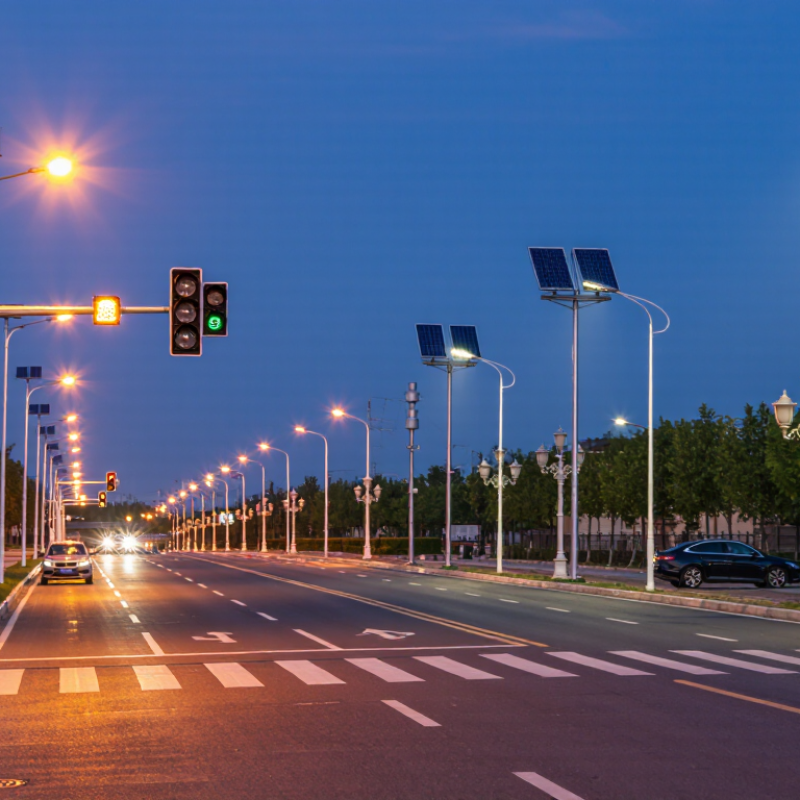
Street Light Classification by Design and Light Source
What Are the Top Types of Street Lights?
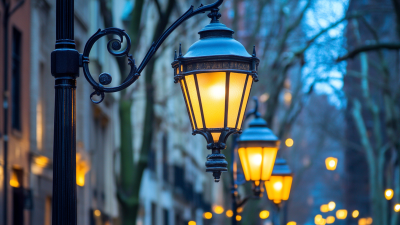
Street light classification usually follows two practical questions: how the fixture is designed and how it produces light. Common designs include cobrahead fixtures, post-top lanterns, decorative poles, floodlights, and low-mounted bollards. Cobrahead units suit highways because their curved arms support wide roadway optics. Post-top fixtures create a more traditional streetscape, but nearby trees can block their distribution. Floodlights serve junctions, bridges, and large public areas. The categories overlap.
Light sources create another useful classification. High-pressure sodium lamps remain recognizable by their amber color and strong historical reliability. Metal halide lamps provide whiter light, but their performance declines with age. LEDs now dominate many new installations because they offer directional control, dimming, and lower maintenance demand.
The International Energy Agency’s Energy Efficiency 2023 report stated that LEDs represented about half of global lighting sales in 2022. A U.S. Department of Energy solid-state lighting forecast also identified substantial long-term energy-saving potential from wider LED adoption.
Design still matters more than the label. A well-selected LED fixture can reduce glare, improve uniformity, and keep light on the pavement. Poor optics can shine into bedroom windows. CIE 115:2010 recommends roadway lighting classes based on speed, traffic, conflict areas, and pedestrian activity. Field inspections often reveal problems that plans miss, especially wet-road reflections and uneven pole spacing. No classification is perfect. Local conditions can defeat a neat specification.
LED Street Lights: Structure, Efficiency, and Common Uses
LED street lights are built around a compact optical and electrical system. A typical unit contains LED modules, a heat sink, a driver, wiring, a sealed housing, and a mounting arm. The optical lens shapes light across the roadway instead of sending equal brightness in every direction. This reduces glare near homes and improves visibility for drivers, cyclists, and pedestrians. The housing also needs protection from rain, dust, vibration, and summer heat.
Efficiency depends on more than wattage. LEDs convert much of their electrical input into useful light, while older sources lose more energy as heat. A well-designed heat sink keeps the LED junction cooler and helps maintain output over time. Drivers can also dim lights during low-traffic hours. That matters. Lower power does not always mean better performance. Poor spacing, incorrect aiming, or an unsuitable color temperature can create dark patches and visual discomfort.
In practical projects, engineers review road width, pole height, traffic patterns, and nearby buildings before choosing a fixture. Photometric tests help confirm that light reaches the pavement evenly. Maintenance teams should inspect lenses, seals, connections, and dimming controls during scheduled visits. Small errors add up. A dusty lens may reduce useful light, while excessive brightness can waste energy and disturb residents. No design is perfect, and field conditions often expose weaknesses that computer models miss. Reliable records and periodic measurements support safer adjustments.
Solar-Powered Street Lights for Off-Grid Roadways
What Are the Top Types of Street Lights?
Solar-powered street lights are practical for off-grid roadways, rural lanes, parks, and emergency access routes. They combine a photovoltaic panel, rechargeable battery, LED fixture, controller, and mounting pole. During daylight, the panel stores energy. After sunset, the LED provides focused illumination without trenching for utility cables.
Performance depends on more than panel size. Engineers should assess traffic patterns, road width, winter sunlight, dust, rainfall, and battery temperature. A dimming schedule can preserve power during quiet hours, while motion sensors can increase brightness when vehicles or pedestrians approach. Light distribution also matters. A bright fixture with poor optics may create glare and dark gaps. That is not a successful installation. Local electrical rules, pole spacing, wind loads, and photometric testing should guide the final design. One planning weakness is assuming average weather will continue every night.
Tips: Place panels away from tree shadows and inspect them after storms. Choose batteries with enough reserve for several cloudy days. Keep maintenance access realistic. A remote road still needs service.
LED street lights connected to the grid remain suitable where reliable power already exists. Hybrid systems can add wind or grid support, but they require more equipment and maintenance. For isolated roads, a carefully sized solar system usually offers cleaner installation and predictable operating costs. However, battery replacement and seasonal performance should remain part of the budget, not an afterthought.
What Are the Top Types of Street Lights?
Solar-powered LED street lights are well suited to off-grid roadways because they combine efficient LED luminaires with photovoltaic power and battery storage. The chart compares typical luminous-efficacy ranges for common street-lighting technologies.
Typical luminous-efficacy ranges are expressed in lumens per watt (lm/W). Actual performance varies by fixture design, operating conditions, and maintenance.
Decorative, Smart, and Adaptive Street Lighting Systems
Street lighting now extends beyond basic illumination. Decorative systems use shaped poles, warm color temperatures, and shielded optics to support historic streets, parks, and shopping districts. Their value is practical when designers control glare and preserve pedestrian visibility. Poorly aimed decorative fixtures can brighten windows while leaving pavement unevenly lit. That mistake is easy to overlook.
Smart street lighting adds sensors, wireless controls, and remote monitoring. The U.S. Department of Energy reports that LED conversion can reduce street-lighting energy use by about 50% or more, depending on fixture quality and controls. Smart nodes can also report outages before residents call. In a real street, operators may dim empty sidewalks at 2 a.m. and restore higher output when movement appears. Connectivity still needs testing. A weak network can delay commands, creating dark or overlit sections.
Adaptive lighting changes output according to traffic, weather, time, or pedestrian activity. A 2023 report from the International Energy Agency identifies connected controls as an important route for improving public-lighting efficiency. Field studies commonly report additional savings of 20% to 40% after adaptive controls, although results vary by road design and operating rules. Maintenance teams should measure illuminance, fault rates, and complaints after installation. Data can mislead. A lower energy bill does not prove safer lighting if crossings remain poorly visible. Human review still matters, especially near schools, curves, and crowded transit stops.
What Are the Top Types of Street Lights? - Decorative, Smart, and Adaptive Street Lighting Systems
| Lighting Type | Primary Purpose | Typical Features | Common Applications | Main Benefits | Key Considerations | Control Capability |
|---|---|---|---|---|---|---|
| Decorative Street Lighting | Improve visual appeal while providing basic roadway or pedestrian illumination. | Ornamental poles, traditional-style housings, distinctive shapes, colored finishes, and shielded luminaires. | Historic districts, plazas, parks, promenades, shopping streets, and residential areas. | Supports place identity, improves streetscape character, and can increase pedestrian comfort and wayfinding. | May cost more to purchase and maintain because of custom designs; ornamental elements must not obstruct light distribution. | Usually fixed schedules or photocell-based dusk-to-dawn operation; advanced remote control is optional. |
| Smart Street Lighting | Enable centralized monitoring, remote management, and data-supported maintenance. | Networked LED luminaires, wireless or wired communication, remote dimming, fault alerts, energy metering, and scheduling software. | Urban roads, municipal networks, campuses, transport corridors, and large public spaces. | Improves asset visibility, simplifies maintenance planning, supports energy monitoring, and allows lighting policies to be changed remotely. | Requires compatible controls, communications coverage, cybersecurity measures, and staff or service capacity for system management. | High: remote on/off control, dimming, scheduling, status reporting, and maintenance alerts. |
| Adaptive Street Lighting | Adjust light output according to changing conditions such as traffic, pedestrians, time, or weather. | Sensors, programmable dimming profiles, motion or traffic detection, ambient-light sensors, and rule-based control. | Roads with variable traffic, cycleways, pedestrian routes, parking areas, and locations with strong nighttime demand changes. | Can reduce unnecessary illumination, limit light spill, respond to real-time activity, and maintain higher output when users are present. | Sensor placement and calibration are critical; controls should provide safe minimum lighting and predictable behavior during faults. | Very high: real-time or near-real-time dimming based on programmed rules and sensor inputs. |
| Conventional Fixed-Output Lighting | Provide consistent illumination using a simple, predictable operating pattern. | Standard poles and luminaires, photocells or time clocks, fixed output, and limited monitoring. | Low-complexity roads, small communities, utility areas, and locations with stable lighting requirements. | Simple procurement, straightforward operation, predictable light levels, and relatively low control complexity. | May operate at full output when demand is low; faults often require visual inspection or scheduled maintenance. | Low: typically limited to photocell switching or basic time-based operation. |
| Solar-Powered Street Lighting | Provide stand-alone illumination where grid connection is difficult, expensive, or unavailable. | Solar photovoltaic panel, rechargeable battery, charge controller, LED luminaire, and programmable lighting profile. | Rural roads, trails, remote facilities, parks, emergency routes, and areas with limited electrical infrastructure. | Can reduce trenching and grid-connection work; supports off-grid operation and may use adaptive dimming to extend battery life. | Performance depends on solar exposure, battery capacity, temperature, maintenance, and seasonal weather conditions. | Moderate to high: usually schedule-based, with optional motion sensing, remote monitoring, or adaptive dimming. |
Note: Street-lighting performance should be designed and verified according to local roadway classifications, pedestrian needs, glare limits, uniformity requirements, energy regulations, and applicable lighting standards.
How to Choose the Right Street Light for Each Location
Choosing the right street light starts with the location, not the fixture’s appearance. Urban roads often need LED roadway lights with controlled optics, even illumination, and limited glare. Residential streets may benefit from softer, warmer light that protects bedroom windows and preserves neighborhood character. For sidewalks, parks, and cycle paths, pedestrian lighting should reveal faces, pavement edges, and possible obstacles. High-mast lights suit wide junctions or industrial yards, but their height requires careful planning.
A reliable assessment includes traffic speed, road width, pole spacing, mounting height, weather exposure, and nearby homes. I have found that a small change in beam angle can reduce dark patches dramatically. It can also create unwanted brightness across a bedroom wall. That detail is easy to miss. Use photometric calculations before installation, then inspect the area after dark. Actual conditions sometimes differ from the design model. Select suitable ingress protection for rain, dust, and coastal air, and consider dimming controls when traffic decreases.
Tips:
Match the light distribution to the road layout.
Use warmer color temperatures near homes and wildlife areas.
Check glare from several viewing angles.
Leave space for maintenance vehicles.
Ask residents to review a nighttime trial.
Do not rely only on daytime impressions.
Efficiency matters, but visibility and comfort matter more. A slightly lower wattage may fail if poles are widely spaced. Conversely, excessive brightness can reduce visual comfort and waste energy. Recheck the plan after installation. Mistakes can still teach useful lessons.
Related Posts
-
Top Street Light Suppliers for Global Buyers
-
Understanding the Global Standards for Street Light Production
-
Navigating the Challenges: Common Issues with LED Street Lights Explained
-
Unlocking the Secrets to Optimal Street Light Procurement for Global Buyers
-
Maximizing Cost Efficiency with Street Light Maintenance Strategies Five Essential Tips for Global Buyers
-
How to Choose the Right Street Light for Your Needs?