
How to Choose the Best Solar Powered Lights?
Choosing solar powered lights is not just a style decision. It means matching a panel, battery, and lamp to the place you want to illuminate. A path under open sky has different needs from a shaded porch. Small details matter: winter daylight, tree cover, motion settings, and how easily you can replace the battery.
The International Energy Agency’s Renewables 2023 report records nearly 510 gigawatts of renewable capacity additions worldwide in 2023; solar PV supplied about three-quarters. That growth shows how quickly solar technology is scaling, but it does not guarantee that every garden light will perform well. IEA Executive Director Fatih Birol described the wider shift this way: “Solar is now the cheapest electricity in history.” For individual lights, though, the useful questions are more practical: how many hours of direct sun reach the panel, and how long must the lamp stay bright after dusk?
Look for a clearly stated battery capacity, weather-resistance rating, replaceable parts, and realistic runtime claims. Compare brightness in lumens, not vague labels such as “ultra-bright.” Check whether the panel is separate from the lamp; that can help when the best sun falls away from the best mounting spot. Still, data cannot judge your dark path. And specifications can disappoint. A light that looks ideal online may struggle beneath dense leaves, so site conditions deserve an honest check before you buy.
Understanding How Solar-Powered Lights Work
How to Choose the Best Solar Powered Lights?
Understanding How Solar-Powered Lights Work
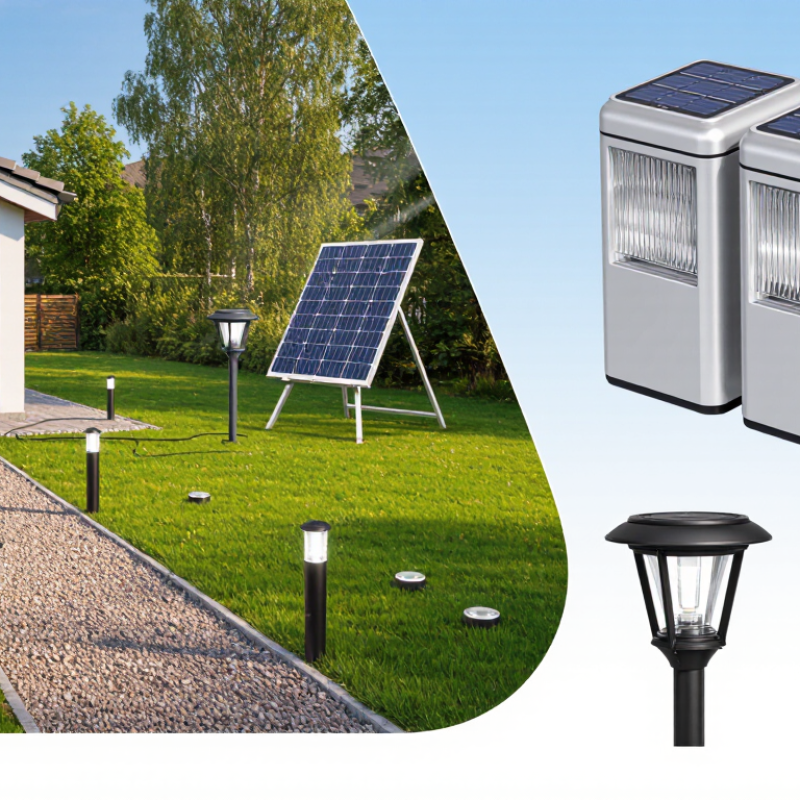
Solar-powered lights do not draw power from the grid. A small photovoltaic panel turns daylight into electrical energy, which a charge controller stores in a rechargeable battery. At dusk, a light sensor signals the circuit to send stored power to the LED. Simple on paper. In practice, panel size, battery capacity, brightness, and control settings all affect performance. A bright lamp may use its charge quickly, while a dimmer setting can extend runtime.
Placement is part of the system, not a finishing touch. A porch roof or dense canopy may block useful sunlight, even when the space looks bright. South-facing exposure can help in the Northern Hemisphere, but local shade and seasonal sun angles matter more. Check whether the panel can be tilted and kept clean; dust and pollen reduce incoming light. Cloudy days still provide some energy, usually less than clear midday sun. Expect shorter lighting time after several dull days. Battery aging also changes results. Not always. Real-world runtime rarely matches a perfect test, so compare stated figures with battery capacity and the sunlight your site receives. Some estimates are optimistic.
How to Choose the Best Solar Powered Lights? — Understanding How Solar-Powered Lights Work
| Factor | What to Check | How It Works / Why It Matters | Best Suited For |
|---|---|---|---|
| Solar panel and sunlight | Panel type, size, angle, and whether the location receives direct sunlight for several hours. | Photovoltaic cells convert sunlight into electricity, which is used to charge the light’s battery. Shade, cloudy weather, dirt, and poor panel orientation can reduce charging. | Sunny gardens, paths, patios, and other locations with unobstructed daytime exposure. |
| Battery capacity and type | Battery chemistry, capacity (often stated in mAh or Wh), replaceability, and the maker’s stated operating conditions. | The battery stores energy collected during the day for use after dark. A larger capacity may support longer operation, but actual runtime also depends on charging conditions, brightness, temperature, and battery condition. | Lights expected to operate for long periods or through variable weather. |
| Brightness and light distribution | Light output in lumens, beam angle, and whether the light is directional or spreads illumination over a wider area. | Lumens describe the amount of visible light emitted. Beam shape affects where that light goes, so compare both output and coverage rather than relying on wattage alone. | Lower output for decorative accents; more output and suitable coverage for steps, entrances, or task areas. |
| Operating mode and sensor | Dusk-to-dawn operation, motion detection, adjustable brightness, timer settings, and sensor detection range. | A light sensor can switch the light on when ambient light falls. Motion-sensing modes can keep a light dim or off until movement is detected, helping conserve stored energy. | Walkways and entrances where light is most useful when someone approaches. |
| Expected runtime | Published runtime and the conditions behind it, such as a full charge, brightness setting, or sensor mode. | Runtime is not a fixed guarantee: it varies with sunlight received, battery charge, temperature, and how often or brightly the light operates. Treat advertised figures as conditional estimates. | Choosing between steady all-night lighting and intermittent motion-activated lighting. |
| Weather resistance | An IP rating and the product’s stated suitability for outdoor exposure. | IP ratings indicate protection against dust and water under specified test conditions. Check the rating and installation instructions for the exposure expected at the site. | Uncovered areas exposed to rain, dust, or splashing. |
| Installation and panel placement | Whether the panel is built in or connected by a cable, and whether it can be aimed independently of the light. | A separate panel can be positioned in a sunnier spot while the light is installed in a shaded area. Built-in panels are simpler to install but need adequate sunlight where the fixture is mounted. | Shaded entrances, eaves, sheds, or other places where the lamp and sunny panel location differ. |
| Light color and comfort | Color temperature in kelvins (K), glare control, and the intended atmosphere. | Lower color-temperature values generally look warmer, while higher values look cooler or more neutral. Shielding and aiming help reduce direct glare. | Warm tones for relaxed outdoor spaces; clearer, more neutral light for visibility-focused areas. |
| Maintenance and serviceability | Cleaning access, replaceable battery details, available parts, and warranty terms. | Keeping the panel clear of dirt helps it receive sunlight. Batteries can lose capacity over time; a replaceable battery may make servicing easier if compatible replacement information is provided. | Long-term outdoor use and installations that are difficult to access. |
Related Posts
-
How to Choose Solar Lights in 2026 for Global Buyers?
-
What is the Best Solar LED Lights for Outdoor Use?
-
How to Choose the Best Outdoor Solar Lights for Your Home Garden?
-
What is the Best Solar Parking Lot Lights Solution for You?
-
Top 10 Types of Solar Street Lights for Global Buyers
-
What Is the Best Type of Solar Lights for Outdoor Use?
